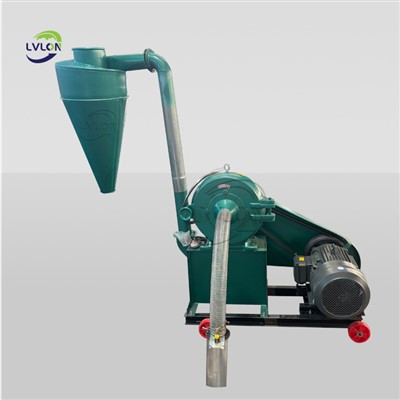
If you've ever walked into a bustling local market in East Africa, South Asia, or even parts of Latin America, you've probably spotted rows of neat, evenly ground maize meal stacked in woven bags-staples that are the base of almost every household meal. As a supplier of maize meal milling machines, I get asked this question all the time: Can this equipment actually work for commercial use? Spoiler: If you pick the right model, it's not just possible-it's a game-changer for small and mid-sized businesses that want to turn raw maize into a profitable product line. Let me break this down like I would to a local farmer who's looking to scale their side hustle, no stuffy jargon allowed.
First off, let's clear up what "commercial" actually means here. I'm not talking about giant, warehouse-sized mills that process tons of maize an hour for national distribution. I'm talking about operations that do 50 kg to 5,000 kg of maize meal a day-think small-scale agro-processors, community mill owners, or even food entrepreneurs who want to sell pre-packaged maize meal to local shops and restaurants. A good maize meal milling machine is built exactly for that sweet spot. Here's the thing: cheap, hand-cranked maize grinders are fine for home use, but they take hours to make a small batch and the meal is inconsistent. Commercial-grade maize meal mills? They're designed to run steadily, churn out uniform flour or grits, and handle frequent use without breaking down.
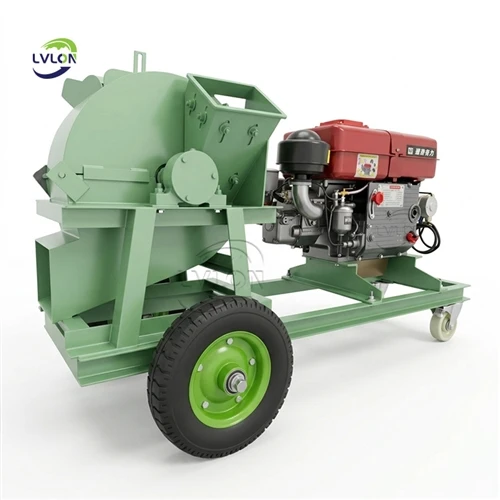
Let's talk about why this works so well for commercial setups. Maize is one of the cheapest, most abundant grains in the world, so the supply side is easy-you can source it directly from farmers at harvest time, lock in a low cost per kg, and turn it into a product people will buy every single week. A commercial maize meal mill takes raw maize (you don't even have to pre-process it too much-just remove the big stalks and dirt) and grinds it into different textures: fine for ugali (a staple in many African countries), medium for porridge, or coarse for animal feed if you want to diversify your products. Speaking of diversifying, a lot of my customers love that they can repurpose the same machine's extras to make other grain products. For example, if you want to venture into livestock feed down the line, you can easily adapt parts of your maize meal mill setup to work with a link like Livestock Feed Hammer Mill-though honestly, a dedicated model works even better once you're scaling.
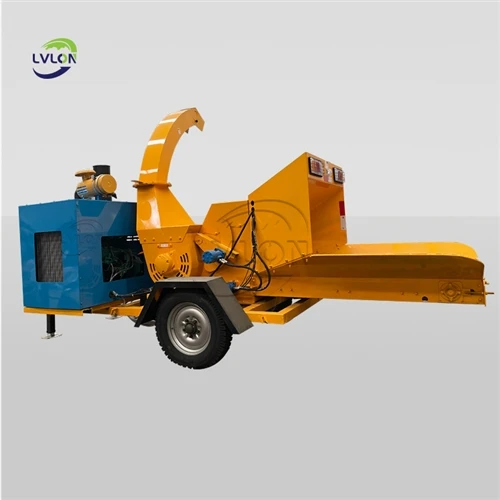
Wait, but what about scalability? That's the big one for commercial use. When you first start, maybe you run a 100 kg-per-hour maize meal mill out of a small shop, serving neighbors and local stalls. As your sales grow, you can upgrade to a 500 kg-per-hour model, or even add extra components to process more batches per day. The flexibility here is key-you're not locked into a single output level right out the gate. I've seen customers start with a basic maize meal mill, then add a Claw type crusher once they start getting big orders, because Claw type crusher give an even finer grind that's perfect. It's like building your operation as you go, not dropping a ton of cash on an over-sized machine that's only half-used at first.
Let's get real about the practical challenges too, because no one wants to buy a machine that's a headache. Commercial maize meal mills are powered by electricity or diesel, so you need a consistent power source-nothing fancy, just a regular grid connection or a small generator if you're in an area with frequent outages. Maintenance is easy too: most parts are replaceable, and you don't need a degree in engineering to fix a jam or replace a grinding plate. A lot of my customers who don't have technical background say they learn the basics in a single afternoon of training from my team. Compare that to big, industrial maize processing lines that require a full-time technician-way more cost-effective for small commercial operations.
Another huge plus: waste is minimal. When you process maize, the milling machine separates the germ and bran (the outer layers) from the endosperm, which is the part that makes white maize meal. Those separated parts aren't garbage-you can sell them as animal feed, which adds an extra stream of income. A lot of my customers use that bran and germ mix to feed chickens or goats on their own farms, or sell it to local livestock farmers for a small profit. If you're looking to expand beyond just maize meal later, you can even pick up a Hammer Mill Straw Crusher to process crop residues into animal bedding or additional feed-another way to make your operation more self-sufficient.
Let me share a quick story to make this concrete. Last year, I worked with a lady named Maria in western Kenya who started with a single maize meal milling machine in her village. She was grinding about 200 kg a day for her neighbors, and selling small bags of maize meal at the local market. Within six months, she was running 800 kg a day because word got around that her meal was consistent and never had big clumps. She told me switching from a home grinder to my commercial model doubled her daily output without doubling her work time, because the machine runs at a steady pace while she focused on marketing her bags. Now she's planning to add an electric corn mill grinder to her setup to process millet and sorghum too-so she's not just relying on maize, which helps when maize prices spike during dry seasons. That's exactly what commercial use is about: growing gradually and adapting to local needs.
But wait, is every maize meal milling machine good for commercial use? Hell no. That's why it's so important to pick one built specifically for high-frequency use, not a cheap import that breaks after a few months of running. I've seen people buy a no-name machine online that's made for home use, try to run it 8 hours a day for a commercial shop, and end up with a broken part a week later. Look for models with heavy-duty grinding plates, a motor that's rated for continuous operation, and easy access for cleaning-hygiene is huge for food products, right? No one wants to buy maize meal that's full of old, stuck-on grain dust.
Let's also talk about the costs, because that's the biggest question most potential customers have. A commercial maize meal mill costs way less than you'd think-usually between $1,500 and $5,000, depending on output and features. That's a small investment when you think about how much revenue you can make: if you sell maize meal for $0.50 per kg, a 500 kg per day operation is bringing in $250 a day-minus the cost of the maize and electricity, which is usually around 30-40% of that. So you're making a profit within a few months, even after paying back the machine. Compare that to starting a small restaurant, which has way higher overhead, and this is a no-brainer.
What about small-scale vs. mid-sized commercial operations? I get it-some people don't need to process 5,000 kg a day, but don't want to do it all by hand. A Small Grain Grinder Machine works perfectly here- it's compact, runs on electricity, and can process 50-100 kg an hour, which is ideal for a side hustle or a small community mill. You can use it for maize, but also switch to wheat, millet, or even coffee beans if you want to expand your product line. It's not as heavy-duty as a big industrial mill, but it's more than enough for commercial use that's not mass-market.
Now, I know you're probably thinking: what about power issues? Like, what if I'm in an area with no electricity? Well, most commercial maize meal mills can run on a diesel generator, which is easy enough to find in most rural or semi-rural areas. It's a little more expensive to run than grid power, but when you're selling a product people need every day, the extra cost is worth it to keep your mill running. I also sell conversion kits for some models that let them run on biogas, if you're really looking to go sustainable- that's a big plus for customers who want to reduce their carbon footprint and save on fuel costs long-term.


Wait, let's circle back to the initial question one more time, just to make sure I'm not missing anything. Can a maize meal milling machine be used for commercial purposes? Yes-if you pick the right model, size it for your needs, and know how to work with it. It's not a flashy, high-tech business, but it's a reliable one. The demand for maize meal isn't going anywhere-people will always need it for their daily meals, no matter what the economy is doing. That consistency is why commercial maize meal milling is such a great business to get into.
If you're thinking about taking the leap, here's what to keep in mind: don't buy the cheapest machine you can find, because you'll end up paying more in repairs later. Look for a supplier that offers training and spare parts-you'll need to replace grinding plates or motors every few years, and you don't want to wait weeks for a part to come. And if you're not sure exactly what size or model works for your operation, reach out- my team and I can walk you through different options, from compact Small Grain Grinder Machine setups to larger lines that can handle higher volumes.
At the end of the day, I've been in this business for years, and I've seen hundreds of customers turn a single maize meal mill into a thriving, steady business. It's not about being the biggest- it's about serving your community with a product they trust, and turning a profit while you do it. If you're ready to stop playing with home grinders and start running a commercial operation that makes sense, let's talk. We can figure out exactly what machine fits your space, your power situation, and your goals. No pressure, no sales pitch that feels like a hard sell- just real advice from someone who's been doing this long enough to know what works.
References
- Food and Agriculture Organization of the United Nations. (2021). Small-Scale Maize Milling: A Guide for Entrepreneurs. Rome: FAO.
- Miller, J. (2020). Grain Processing for Commercial Agro-Enterprises. Chicago: Grain Tech Press.
- Kenya Agricultural and Livestock Research Organization. (2019). Maize Value Chain Analysis for Small-Scale Processors. Nairobi: KALRO.
- Global Market Insights. (2022). Commercial Grain Milling Equipment Market Report. Selbyville, DE: Global Market Insights Inc.