If you’ve ever stood in a yard littered with fallen tree branches, broken pruning debris, or leftover lumber from a renovation, you know the frustration of trying to dispose of bulky organic waste efficiently. As a wood chipper shredder supplier, I’ve heard this complaint a hundred times from homeowners, landscapers, tree care teams, and small farm operators: there are so many options out there, and it’s hard to tell which machine will actually solve their problem without wasting money on something too big, too weak, or too specific for their needs. Choosing the right wood chipper shredder isn’t just about picking the first affordable model you see—it’s about matching the machine to your unique work scope, waste type, long-term goals, and even the physical space you have to store and operate it. After years of helping hundreds of customers find their perfect fit, I’m breaking down the process step by step, with real-world context and product links to the solutions my team offers.
First, let’s start with the most basic question: what kind of waste will you actually be chipping? This is the foundation of your entire choice, because a machine built for 2-inch thick tree branches is not the same as one built for whole fallen trees or full pieces of lumber. I’ve seen customers make the mistake of buying a small, lightweight chipper for weekend yard work, only to plug in a 6-inch oak branch and jam the blades solid within 10 seconds. Conversely, a landscaper with a daily route that only involves clearing small branches from residential yards doesn’t need a massive industrial chipper that’s impossible to maneuver through tight backyards.
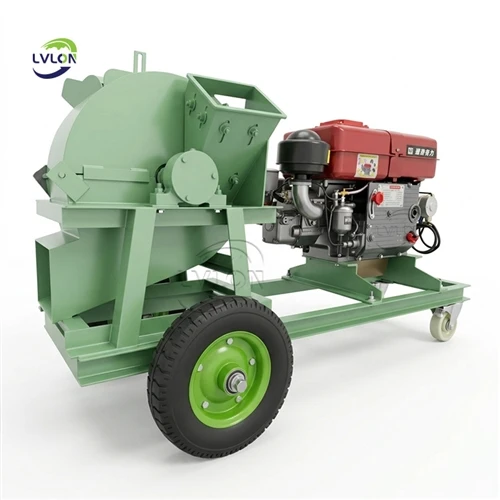
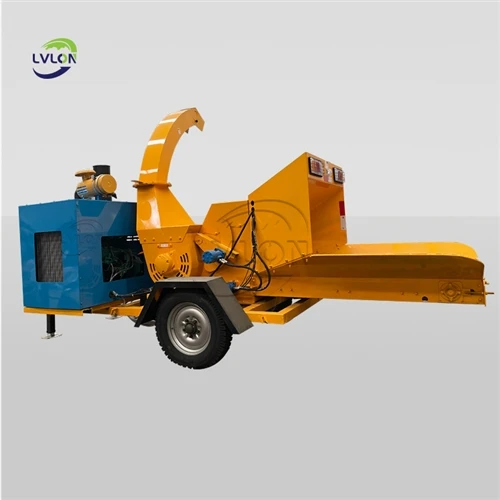
Let’s break down the common waste types and which machines work best for each. If your primary task is chipping thin to medium tree branches (think 1 to 4 inches in diameter), a branch-specific machine like the Tree Branches Cutting Machine is a great starting point. These models are designed with sharp, precision blades optimized for slicing through twigs and small limbs, and they’re often more compact than general-purpose chippers, making them ideal for residential use or small landscaping crews. But if you regularly work with larger material—say, 6 to 12 inch logs, whole tree trunks, or even stumps that need to be ground down—you’ll need something with more power and a larger feed opening. That’s where a Drum Wood Chipper shines, because its heavy-duty drum with multiple cutting blades can handle much thicker, denser material without jamming, which is a game-changer for tree care companies or farm operators that process whole trees.
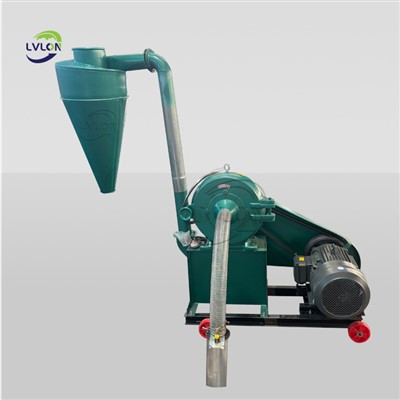
Another key factor when assessing your waste is whether your material is fresh or dry. Wet, green wood is softer than dry, seasoned lumber, but it’s also more likely to clump together as chips, which can clog smaller machines. Dry wood, on the other hand, is more brittle and easier to chip, but it can generate more fine dust that might require a machine with built-in dust management features. If you’ll be working with a mix of all these types—small branches, medium logs, even occasional construction lumber scraps—a Comprehensive Wood Crusher might be the best balance. It’s built to handle a wide range of organic and non-organic wood waste without needing a specialized model for each task, which saves you from having to invest in multiple machines for different jobs.
Next, consider your operational scale: are you a weekend warrior clearing your own backyard, a small landscaping company that works 2 to 3 days a week, or a full-time tree care business that processes hundreds of tons of wood waste monthly? This determines the power source and size of chipper you need, both of which have a big impact on performance and cost. For homeowners or occasional users, gas-powered chippers are the most popular choice because they’re portable—no need to plug into a power outlet, and you can move them around your yard or even haul them to a neighbor’s property. Most small gas models have a 5 to 15 horsepower engine, which is enough for branches up to 4 inches thick, perfect for routine yard cleanup.


But if you’re a landscaper or a small business operating daily, you’ll want to upgrade to a higher-horsepower gas chipper or even an electric model for stationary work. Electric chippers are quieter, emit zero exhaust fumes, and require less maintenance than gas models, making them ideal for worksites in residential areas where noise regulations are strict. For larger operations that process heavy material like whole trees, a Double Inlet Wood Crusher is an excellent pick. This type of chipper has two separate feed openings: one for small branches and one for larger logs, so you can feed material continuously without stopping, which boosts productivity significantly for daily use. The dual-inlet design also helps prevent jams because you can adjust the feed speed based on the material, which is a common pain point for full-time operators.
Size and maneuverability are two more factors that people often overlook until their machine arrives and they realize they can’t get it where they need it. If you’re working in tight spaces—like backyards with narrow gates, small garden paths, or multi-unit residential complexes—you’ll need a compact, lightweight chipper with wheels that are easy to tow or move by hand. Larger industrial chippers, like those used for processing whole trees at a worksite, are often mounted on trailers, making them easy to transport between job sites. It’s also important to think about storage: a big, bulky chipper that takes up half your garage or yard might not be worth it if you only use it once a month. For example, a small branch chipper can easily fit in a standard-sized garage, while a drum chipper for whole trees needs more outdoor space to store safely.
Blade type and maintenance are another critical consideration for long-term use, because dull blades slow down chipping, reduce efficiency, and can even damage the machine. There are two main blade types in wood chippers: shear blades and flail blades. Shear blades are the most common in heavy-duty models like drum chippers; they’re sharp, rigid, and designed to cut through dense material with clean, powerful cuts. They require occasional sharpening but last much longer than flail blades, making them better for daily use. Flail blades, on the other hand, are lighter and rotate more quickly, which makes them ideal for chipping softer, lighter material like small twigs or garden debris. They’re also easier to replace, which is a plus for occasional users who don’t want to deal with sharpening heavy blades. If you’re planning to use your chipper regularly, investing in a model with high-quality, replaceable shear blades will save you time and money on maintenance down the line.
Safety is non-negotiable when operating a wood chipper, and it should be a top priority in your choice. Every year, thousands of people are injured by wood chippers because they ignore safety features or use improper models. When shopping for a chipper, look for key safety elements: a feed chute that’s wide enough to prevent hands from getting too close, a emergency stop button that’s easy to reach from all angles, a blade guard that covers the cutting area when not in use, and a lock that keeps the machine turned off when it’s not being operated. For example, the Tree Crusher Machine I mentioned earlier is built with reinforced feed chutes and multiple safety interlocks that automatically shut off the blades if the feed door is opened, which is a must for anyone working with larger, heavier material. If you’re going to be operating the machine around children or pets, or if you’ll be sharing the worksite with other people, these safety features aren’t just nice—they’re essential.
Budget is the final piece of the puzzle, and it’s important to balance upfront cost with long-term value. A cheap, no-name chipper might seem like a good deal at first, but it’s likely to have weak blades, unreliable engines, and frequent breakdowns that end up costing you more in repairs over time. On the other hand, an overpriced industrial chipper might be a waste of money if you only use it for a few hours a month. As a supplier, I always tell customers to calculate their total cost of ownership: not just the purchase price, but maintenance costs, fuel or electricity use, repair frequency, and the time you’ll save with a more efficient machine. For example, a $500 small chipper might work for occasional branches, but a $1,500 mid-sized branch chipper will process material faster, require less maintenance, and last twice as long, making it a better investment in the long run.
Let’s put this all together with a few real examples to make it concrete. If you’re a homeowner who only chips fallen branches and small limbs a few times a year, a compact gas-powered branch chipper like the Tree Branches Cutting Machine is perfect—affordable, easy to maneuver, and powerful enough for your needs. If you’re a landscaper who processes branches and small logs daily, a dual-inlet model like the Double Inlet Wood Crusher will boost your productivity by letting you feed different sizes of material without stopping, and its heavy-duty engine will hold up to daily use. If you work in a residential area with strict noise rules, an electric chipper for medium to large branches is quieter, more eco-friendly, and meets local regulations. If you’re a full-time tree care company that works with whole trees and large logs, a Drum Wood Chipper is built to handle dense, thick material, and its shear blades provide consistent cuts for bulk disposal.
At the end of the day, choosing the right wood chipper shredder is all about matching the machine to your specific needs, not chasing the biggest, most expensive option on the market. Whether you’re a homeowner clearing your yard or a business owner looking to streamline waste disposal, taking the time to assess your waste type, operational scale, space, safety needs, and budget will help you make a choice that works for years to come. If you have questions about which model fits your work, or you’re ready to find a machine that will save you time and hassle, don’t hesitate to reach out for a procurement consultation.
References
- Wood Industry Association. (2022). Guidelines for Selecting and Operating Wood Chipping Equipment. Retrieved from industry trade publications for wood processing machinery.
- Occupational Safety and Health Administration (OSHA). (2021). Safety Standards for Powered Wood Chippers and Shredders. U.S. Department of Labor.
- American Society of Agricultural and Biological Engineers (ASABE). (2020). Performance Specifications for Agricultural and Landscaping Wood Chippers.
- National Landscape Association (NLA). (2023). Equipment Selection Guide for Small and Mid-Sized Landscaping Businesses.