If you've ever stood in front of a misfiring wood chipper, watched it jam on a chunk of oak, or ended up with uneven wood chips that clumped instead of breaking down smoothly, you know how much the chipper knife matters. As a wood chipper supplier that's worked with everything from small landscaping crews to large timber operations, I've fielded this question a hundred times: "How do I pick the right chipper knife for my machine?" It's not just about grabbing the first sharp blade off the shelf-cutting corners here means downtime, wasted money, and even safety risks. Let's break this down like I'd walk a new customer through it, no stuffy jargon, just real stuff that works.
First off, stop and think about what you're actually chipping. That's the foundation. A knife for soft, thin branches from a backyard tree is way different from one for thick, knotty hardwood logs or even stumps. Let's say you're chipping 2-inch willow branches for mulch-you don't need a super heavy-duty blade, just one with a sharp edge to slice through soft wood fast. But if you're tackling 12-inch oak logs, knotty pine, or even construction lumber with nails (wait, don't chip lumber with nails, but I've seen it happen), you need a blade that can handle impact without chipping. That's where a lot of people go wrong: they use the same knife for every feedstock and end up with a knife that dulls in a week, or worse, breaks mid-job.
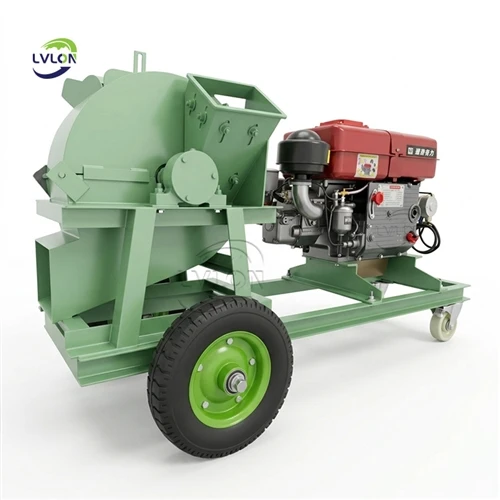
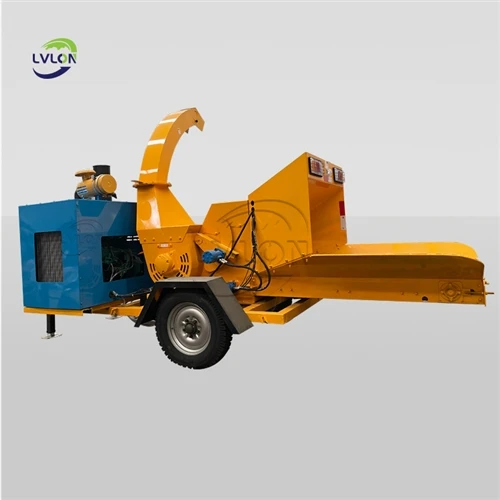
Next, get to know your chipper's make and model. This isn't a one-size-fits-all game. Small, portable wood chipper shredder units that fit in a pickup have different knife specs than the huge stationary chippers at a mill. For example, a portable unit you haul to job sites might use a 12-inch flat blade, while a stationary industrial chipper could need a 18-inch chipper knife with a specific bevel angle. If you mismatch this-say, putting a stationary knife in a portable chipper-it won't seat right, will vibrate nonstop, and that vibration will wear out the knife and the chipper itself way faster. Pro tip: jot down your chipper's serial number before you shop; most suppliers (including us) can cross-reference that number with the exact knife you need, no guesswork.
Then there's knife material, which is a big deal. I see customers skip over this all the time, and it comes back to bite them. Let's keep it simple: you've got two main types for wood chippers. High carbon steel is the workhorse most of us know-it's tough, holds an edge pretty well, and is cheaper upfront. Great for regular jobs with mixed soft and medium hardwood. But if you're chipping super knotty wood, or doing a lot of heavy-duty work, you might want alloy steel. It's got extra elements like chromium or vanadium, so it's more resistant to impact and abrasive wear. Yeah, it costs a bit more, but it lasts 2-3 times longer than high carbon steel for tough feedstock. One customer of ours spent $100 on cheap high carbon blades for their daily hardwood runs and had to replace them every two weeks; they switched to alloy blades and now replace them once every two months. Math adds up quick.
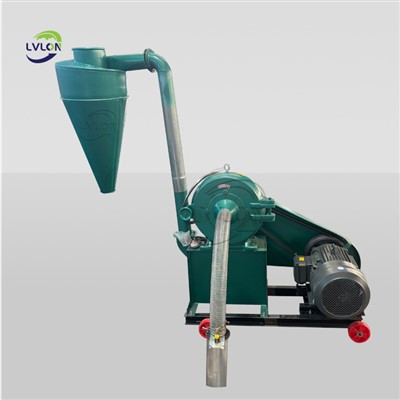
Wait, don't forget the knife's grind and bevel. This is where people who've never sharpened a blade themselves get confused. The bevel is the angled edge on the knife that cuts through wood. For soft wood, you want a shallow bevel-like 15-20 degrees-because it slices through easily and doesn't take much force. That's perfect for thin branches, brush, or wood that's going to go into a machine like a wood hammer crusher or a water drop wood hammer mill later. But for hard wood, a steep bevel-25-30 degrees-holds up to the pressure of cutting dense, knotty wood. If you use a steep bevel on soft wood, the knife will be too thick, drag, and cause the chipper to strain. Shallow on hard wood, and the edge will chip after a few passes. It's a tiny detail, but it's the difference between clean chips and a mess.
Also, think about what you're doing with the chips after. If you're chipping for firewood, you want uniform, small chips-so a knife that produces consistent particle sizes is key. If you're making wood shavings for animal bedding, you need a knife that doesn't produce too much dust or splinters. Our wood shaving machine customers often ask for extra-thin knives because they cut cleaner, finer shavings. And if you're chipping and then feeding the chips straight into a secondary grinder, an integrated wood chipper and crusher setup? Your chipper knife doesn't need to make super tiny chips-just break the wood down into chunks that the crusher can handle. That saves you from overworking the chipper and wearing out the knife faster than needed.


Now, the bad part: what if you pick the wrong knife? I've seen it all. A customer who used a soft wood blade for oak logs ended up with a knife that dulled so fast they were stopping every 20 minutes to resharpen, which added 3 hours to their job. Another one mismatched the knife to their chipper model, and the blade shifted, jammed the chipper, and bent a $500 component. Even safety-wise, a dull or ill-fitting knife can kick wood back unexpectedly, which is a hazard no one wants. It's not just a hassle-it costs you time, money, and peace of mind.
So let's wrap up the checklist you can use right now:
- Write down your main feedstock (soft branches? hardwood logs? knotty stumps?).
- Note your chipper's make, model, and serial number (check the manual if you don't have it).
- Decide what you'll do with the chips (mulch? firewood? animal bedding? feed to another machine?).
- Pick a knife material that matches your workload (high carbon for light/medium, alloy for heavy duty).
- Match the bevel angle to your feedstock (shallow for soft, steep for hard).
If you're still unsure, that's where we come in. As a wood chipper supplier, we don't just sell knives-we help you pick the right one for your exact setup. We've worked with landscapers, farmers, arborists, and timber crews for years, so we know the difference between a knife that works for someone with a backyard chipper and one that's built for industrial use. We also carry all the complementary machines you might need, from the wood hammer crusher to the water drop wood hammer mill, so you can get all your gear in one place and make sure it's all compatible.
Wait, quick side note: don't skimp on maintenance either. Even the best knife will wear out fast if you don't keep it sharp and aligned. Resharpen it when it's dull (not when it's chipped down to the base), and make sure it's tightened properly every time you install it. A few minutes of maintenance saves you hours of downtime later.
At the end of the day, choosing the right chipper knife isn't rocket science-it's about matching your knife to your needs, not what's cheapest or what someone else uses. If you're still scratching your head, just reach out. Whether you're a small business owner with one chipper or a big operation with a fleet, we can walk you through every step, answer your questions, and get you set up with the right knife (and any other equipment you might need, like a wood shaving machine if you're branching into that). Don't waste another job fighting a bad knife-get the right one, and your chipper will run smoother, faster, and safer.
If you have questions, need clarification on feedstock compatibility, or want to explore our range of chippers and accessories, feel free to get in touch for a procurement consultation. We're here to help you make the best choice for your wood processing needs.
References:
- Smith, J. (2022). Industrial Wood Processing Equipment Guide. Timber Tech Publications.
- Lee, M. (2021). Knife Material and Bevel Selection for Chipping Operations. Forest Machinery Journal.
- Davis, R. (2023). Portable vs. Stationary Wood Chipper Components: A Supplier's Perspective. Outdoor Power Equipment Review.