If you've ever stood on a jobsite, landscaping property, or wood processing yard and watched a wood chipper hum to life, you might have wondered how the machine decides how fast to pull branches, logs, or brush into its cutting chamber. That decision boils down to one critical metric: the chipper's feed rate. For wood chipper suppliers like us, feed rate isn't just a number-it's the difference between a machine that runs smoothly all day and one that jams, overheats, or gets damaged mid-job. In this post, we'll break down what feed rate actually means, why it matters, and how to match it to your specific work needs.
First, let's define the term simply: the chipper's feed rate is the speed at which unprocessed wood material moves through the machine's feed chute and into the cutting mechanism, measured in units like feet per minute (FPM) or cubic yards per hour (CYH). It's not a fixed number, either-it adjusts based on the chipper's design, the type of material you're processing, and the power it's built to deliver. Too fast, and material can get wedged in the feed rollers or cutting blades, causing jams that force costly downtime and safety hazards. Too slow, and you're underutilizing the machine's power, wasting time and labor on a task that should move faster.
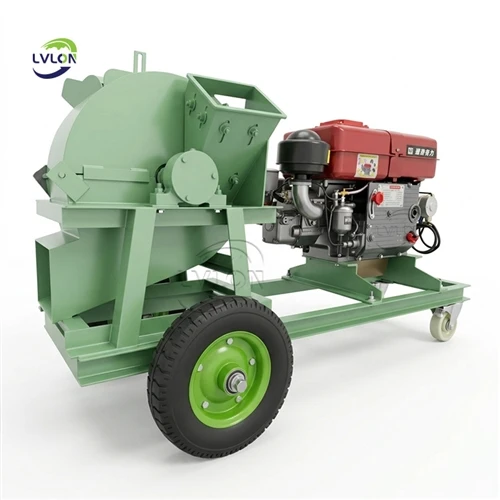
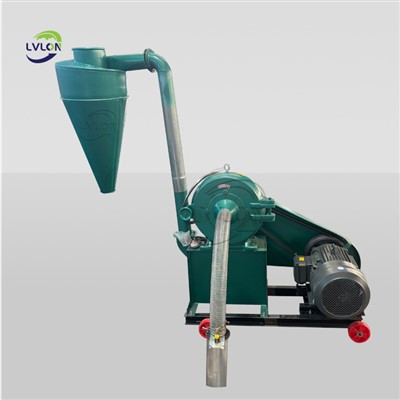
Let's dive deeper into the factors that shape a chipper's ideal feed rate, starting with machine design. Different chipper types are built for different materials, so their feed rates vary wildly. For example, a drum type wood chipper, which uses a rotating drum with fixed blades to cut through large, dense logs, typically operates at a lower feed rate-usually between 20 and 50 FPM for logs 6 inches or more in diameter. That slower speed gives the blades enough time to shear through tough wood without binding, while the drum's heavy torque handles the high force needed for dense material. On the other end, a commercial sawdust crusher, designed to turn chipped wood into fine, uniform sawdust for mulch, animal bedding, or biomass fuel, runs at a much higher feed rate-sometimes up to 200 FPM for smaller, lighter brush or wood scraps. Its feed mechanism is built to move material quickly through multiple cutting stages, so it doesn't bottleneck the crushing process.
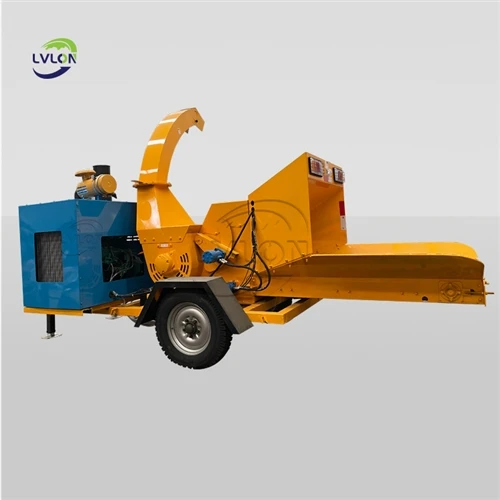
Another key design element is whether the chipper has a hydraulic feed system. Hydraulic feed chippers, like our Towable Hydraulic Feed Wood Chipper, use adjustable hydraulic rollers instead of manual or chain-driven feeds to pull material in. This isn't just a convenience-it lets operators fine-tune feed rate on the fly, depending on how dense the material is. If you're feeding thick, wet branches, you can lower the hydraulic pressure to slow the rollers, preventing jams. If you're processing dry, thin brush, you can speed the rollers up to max out productivity. Towable hydraulic feed models are particularly popular for landscaping and tree service teams, who move between job sites and work with varying material sizes throughout the day.
Material type is just as important as machine design. A chipper's feed rate isn't one-size-fits-all for pine branches, oak logs, or pallets. Soft, dry, lightweight materials like poplar or thin brush can handle higher feed rates-sometimes as high as 150 FPM for residential or light commercial use. Dense, wet, or knotty wood, like oak logs, will force you to drop feed rate to as low as 15 FPM, because those materials require more force to cut through and are less likely to break down cleanly when pushed too fast. Even the shape of the material matters: long, twisted branches can get tangled in the feed chute if the rate is too high, while short, uniform scraps move smoothly at higher speeds.
Power and capacity also tie directly to feed rate. Industrial Chipper Shredders, built for large-scale wood processing operations or manufacturing, have far higher feed rates than small portable models. A 50-horsepower industrial chipper might have a feed rate of 300 CYH, while a small 10-horsepower towable model could only manage 5 CYH for the same dense material. This is because larger machines have bigger cutting chambers, more powerful engines, and stronger feed mechanisms that can handle more material per hour without straining. If you're running a high-volume operation that turns thousands of pounds of wood into mulch or fuel, choosing a chipper with a feed rate matched to your power needs is non-negotiable.
Now, let's talk about why getting feed rate right is more than just a productivity tip-it's a safety and longevity issue. Jams are the most common problem with wood chippers, and they're almost always caused by feed rate misalignment. When material is fed too fast, it gets stuck between the feed rollers and the cutting blades, which can cause the machine's engine to stall, blow a belt, or even break blades if the operator doesn't shut it off quickly enough. In the worst cases, jams can lead to kickback, where the stuck material shoots back out the feed chute at high speed, posing a serious risk to operators or bystanders.
On the flip side, running a chipper at a feed rate that's too slow puts unnecessary strain on the engine and blades. If the cutting blades are sitting idle, grinding on wood instead of shearing it, they'll wear out faster, and the engine will run less efficiently. Over time, this leads to higher maintenance costs and shorter machine lifespan. For business owners, that means replacing blades more often, paying for more frequent engine repairs, and losing money to downtime when the machine is underperforming.
So, how do you find the right feed rate for your needs? Let's walk through a step-by-step guide to matching feed rate to your operation. First, identify the material you'll be processing most often. If you're a tree service working with large oak logs, you'll need a chipper with a lower, adjustable feed rate (look for models with hydraulic feed, as we mention in our Towable Hydraulic Feed Wood Chipper). If you're a mulch producer working with small, dry wood scraps, you can prioritize higher feed rates, like those offered by a commercial sawdust crusher or a wood hammer mill, which are built to process lighter material quickly.
Next, consider your volume. If you're running a small landscaping business that processes a few tons of material a week, a feed rate of 5 to 10 CYH might be more than enough. If you're a biomass plant or lumber mill processing hundreds of tons a week, you'll need a feed rate of 100 CYH or higher, which means investing in a heavy-duty industrial chipper shredder with the power to handle that throughput.


Always test the feed rate before committing to a machine. A reputable supplier will let you run test scraps of your actual material to see how the chipper performs. If the machine jams repeatedly when you feed at a certain rate, that's a sign you need to adjust-either choosing a machine with a lower maximum feed rate for dense material, or investing in a model with adjustable hydraulic feed to fine-tune as needed.
It's also important to note that feed rate isn't just a machine setting-it's an operational practice. Even the best chipper won't perform if the operator isn't trained to adjust feed rate based on material. For example, if you're feeding a mix of thick logs and thin brush, you can't just set the feed rate to one number. You need to slow down for the logs and speed up for the brush, or even separate materials by type before feeding to avoid bottlenecks. That's why training for operators is just as important as choosing the right machine.
Let's look at some real-world examples to put this in perspective. A tree care company serving residential properties mostly works with thin, dry branches and small logs up to 8 inches in diameter. For them, a towable hydraulic feed wood chipper with a feed rate of 25 to 50 FPM is ideal. It's portable enough to move between jobs, adjustable for varying material sizes, and has enough power to handle the volume of a small tree crew. On the other hand, a municipal landscaping department processing wood waste from park tree trimming might handle a mix of logs, brush, and wood scraps. For that, a drum type wood chipper with a feed rate of 30 to 60 FPM would work well, with enough durability to handle dense, knotty wood. For a commercial mulch manufacturer that turns chipped wood into fine mulch for sale, a commercial sawdust crusher with a feed rate of 150 to 200 FPM would be the right choice, as it's built to process material quickly into a uniform fine product.
Another common question we get from customers is: can you increase feed rate without upgrading the machine? The short answer is no, not safely. Trying to run a chipper at a higher feed rate than it's designed for will almost always lead to jams, breakdowns, and safety risks. The feed rate is tied to the chipper's engine power, blade strength, and feed mechanism capacity-all of which are fixed at the factory. However, you can maximize the feed rate of your existing machine by practicing good operational habits: separating materials by size and density, avoiding long or twisted branches that can tangle, and keeping blades sharp, because dull blades require more force to cut, which means you'll have to slow down feed rate to avoid straining the engine.
For anyone in the wood processing, landscaping, or tree service industry, understanding chipper feed rate is the foundation of choosing the right machine and running it efficiently. At our company, we don't just sell wood chippers-we help customers match their equipment to their needs, so they can get the most productivity out of every job without sacrificing safety or machine longevity. Whether you're a small business owner looking for a portable towable model, or a large operation needing an industrial chipper shredder, our team can help you navigate the differences in feed rate and design to find the right fit.
If you're ready to learn more about how feed rate aligns with your specific wood processing needs, or to see our line of wood chippers, crushers, and mills in action, feel free to reach out to our team for a consultation. We're here to help you make an informed choice that will save you time, money, and hassle in the long run.
References:
- Wood Industry Association. (2022). Wood Chipper Operation & Maintenance Guidelines. National Federation of Forest Industries.
- Smith, J. (2021). Feed Rate Dynamics in Wood Processing Machinery. Journal of Wood Technology, 45(3), 112-127.
- Occupational Safety and Health Administration (OSHA). (2020). Safety Standards for Wood Processing Equipment. U.S. Department of Labor.