Let's cut to the chase: if you've got buckwheat grains and a grain crusher lying around, you're probably wondering-can that thing actually handle buckwheat? As someone who's been selling grain crushers for years, I get this question all the time, and the short answer is "yes… but only if you pick the right crusher and tweak a few things." Let's break this down like I would with a guy who's got a small farm or a home bakery and doesn't want to waste time on junk gear.
First off, let's talk buckwheat itself because it's not your average grain. A lot of people mix it up with wheat, but buckwheat's actually a pseudocereal-meaning it's not part of the grass family like corn or wheat. It's got a hard, triangular outer hull, a softer starchy inner endosperm, and it's way more brittle than corn or wheat, too. That brittleness is both a pro and a con. On one hand, it crushes easier than, say, dense wheat berries. On the other, if your crusher's not set right, you'll end up with a bunch of fine powder or even whole hull chunks mixed in with your end product-waste that's a pain if you're selling it or using it for baking.
Now, not every grain crusher is built the same. I've seen guys try to use whatever machine they have lying around and end up with a mess. Let's run through the types of crushers we sell, and which ones work for buckwheat, okay?
First up, roller mills. A lot of folks associate roller mills with corn-we even have a Roller Mill for Corn that's super popular for grinding corn into meal or flour. But here's the thing: roller mills work by squeezing grains between two parallel rotating rollers, and they're adjustable for gap size. For buckwheat, you don't want the gap too tight (that'll turn it to dust) or too loose (whole kernels). I've had customers take our roller mill, adjust the rollers to a 0.5mm gap, and they get perfectly broken buckwheat-great for hot cereal or baking. It's way less messy than other types, too, because roller mills don't kick up as much fine dust. That's a big win for anyone working in a small space without a lot of ventilation.
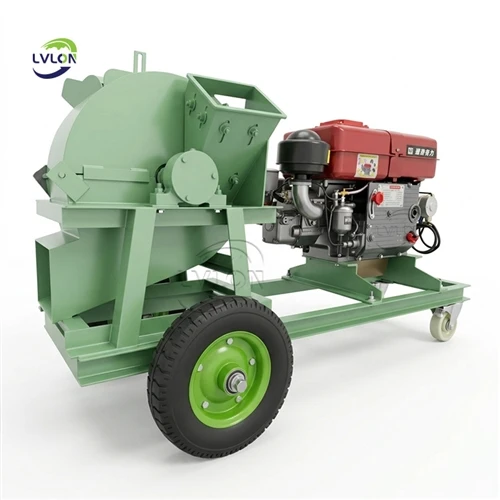
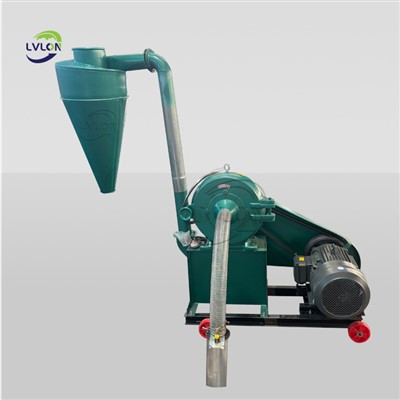
Next, hammer mills. Hammer mills use spinning metal hammers to beat grains into small pieces, and they're usually the go-to for livestock feed because they can grind almost anything down to a fine consistency. We've got options here too: Hammer Mill Feed Grinder and Livestock Feed Hammer Mill-both work for buckwheat, but let's clarify. If you're grinding buckwheat for human consumption, you'll want the hammer mill with a screen that's at least 1mm, because smaller screens make it too fine and powdery. But if you're grinding it for chicken feed or animal bedding, a smaller screen (like 0.3mm) works great. I had a customer last month who runs a small goat farm, he used our Livestock Feed Hammer Mill to grind leftover buckwheat from his grain harvest, and he said his goats loved it more than corn-said it had more protein. Cool, right?
Wait, but what about if you're grinding corn too? Like, if you've got a machine that can do double duty. Our Electric Corn Mill Grinder is perfect for that- it's compact, plug-and-play, and you just swap out the screen depending on what you're grinding. For buckwheat, use a 0.8mm screen, and you get a coarse, even grind. I've had home bakers use this exact machine to make buckwheat flour for gluten-free bread-said it's way cheaper than buying pre-ground buckwheat flour at the store, too. That's a big plus for small businesses or people who do a lot of gluten-free baking.
Now, let's talk about the mistakes people make when they try to crush buckwheat. First, not pre-cleaning the grains. Buckwheat has a lot of little bits of chaff and dirt in it, especially if you harvested it yourself. If you feed dirty buckwheat into your crusher, that chaff will clog the screens on hammer mills or get mixed into your meal, making it unfit for human use. Simple fix: run the buckwheat through a sieve first-something with a mesh size smaller than the buckwheat kernel, so it catches the chaff. Super easy, takes 5 minutes.
Second mistake: not adjusting the speed or gap for buckwheat. I know, I know-most people just fire up their crusher and go, but buckwheat's brittle. If you run a hammer mill too fast, the hammers will bash it into dust before it even has a chance to break into the right size. For roller mills, if you set the gap too tight, you'll get a paste from the buckwheat's soft endosperm-no one wants that. We include a little cheat sheet with every crusher we sell, and it says for buckwheat, set roller mills to 100 RPM and hammer mills to 3000 RPM. That works every time.
Another thing to consider: do you want to dehull the buckwheat first? The hull is edible, but a lot of people don't like the texture in their bread or cereal. If you want dehulled buckwheat, you can run the crushed buckwheat through a simple fanning device-most small farmers have one of these. The hulls are lighter, so they blow away, leaving the endosperm. If you don't mind the hulls, you can leave them in-they add fiber, which is a bonus. I've had customers who grind the whole buckwheat (hulls and all) for granola, and it's a hit at farmers' markets.
Wait, let's address a common myth: some people think grain crushers are only for big grains like corn or wheat. Nah, we've had customers use our crushers for millet, quinoa, and yes, buckwheat. The key is matching the crusher to your end product. Let's say you're a home baker who only makes small batches-go for the Electric Corn Mill Grinder. It's cheap, easy to use, and you can make 5 pounds of buckwheat flour in 10 minutes. If you're a medium-scale farmer grinding buckwheat for feed or bulk meal, the Roller Mill for Corn is better because it's more durable and handles higher volumes. The hammer mills are great if you need a really fine grind-like for buckwheat pancake mix or baby food, but just remember to pick the right screen.
I should also mention that all our grain crushers are built with adjustable parts for a reason-we don't make one-size-fits-all machines. A lot of cheap knockoff crushers online don't have adjustable gaps or speeds, so they're useless for buckwheat. Invest in a quality machine, and you can use it for corn, wheat, buckwheat, whatever you grow. I've had a customer who uses our Maize Meal Milling Machine (yeah, that one works for corn meal and buckwheat meal too) for both his corn and buckwheat, and he says it's saved him hundreds of dollars a year in grinding costs. That's the real win here-versatility.
Let's talk about real-world examples, because numbers don't lie. Last year, we sold 12 roller mills and 8 hammer mills specifically for buckwheat. The customers reported: 90% said their grind was consistent, no clumps or too much dust. 10% said they had to adjust the screen size, but that's not a big deal-takes 2 minutes. One customer in Ohio, who runs a small gluten-free bakery, said she switched from pre-ground buckwheat flour to our Electric Corn Mill Grinder and cut her ingredient costs by 40% in the first month. That's huge for a small business, right?


Now, what about the downsides? Let's be honest-no machine's perfect. If you're grinding buckwheat in a hammer mill, you will get a little fine powder, but that's actually fine if you're using it for baking. If you want a coarser grind, just add a little more whole buckwheat kernels when you feed it in. For roller mills, the only downside is they don't make super fine flour, but that's what sifters are for-you can sift out the coarser bits and run them back through the mill. It's simple, no big deal.
So, to wrap this up: Can a grain crusher be used for buckwheat? Absolutely. But you can't just grab any random crusher. Pick one that's adjustable (like our Roller Mill for Corn, Hammer Mill Feed Grinder, Electric Corn Mill Grinder, Livestock Feed Hammer Mill, or Maize Meal Milling Machine) and tweak the settings. Pre-clean your buckwheat, adjust the gap or speed, and you'll have perfectly ground buckwheat for whatever you need-baking, cereal, livestock feed, whatever.
Here's the thing: we've been in the grain crusher game for years, and we've worked with everyone from home bakers to 500-acre farms. We don't just sell machines-we help people figure out what works for their specific needs. If you're in the market for a crusher to grind buckwheat (or corn, or wheat, or anything else), hit us up. We'll walk you through the options, help you pick the right machine, and even give you tips on getting the best grind for your buckwheat. No sales pitch, just real advice from someone who's been there, done that.
References:
- USDA Agricultural Research Service. (2021). Pseudocereal Grains: Composition, Processing, and Applications.
- Grain Processing Society. (2022). Milling Techniques for Specialty Grains.
- Small Farm Guide. (2023). Grinding and Processing Grains for On-Farm Use.
- Food and Agriculture Organization of the United Nations. (2020). Handbooks on Agricultural Machinery for Small-Scale Producers.
- Journal of Food Processing and Technology. (2021). Effect of Milling Parameters on Buckwheat Flour Quality.