When you're running a small farm, a community bakery, or a mid-sized livestock operation, the details that separate smooth, profitable days from chaotic, costly ones often come down to how you process your raw materials. For years, I spent countless hours manually crushing grains-sore arms, inconsistent particle sizes, and lost time that could've been spent tending to crops or feeding animals. It wasn't until I invested in a proper grain crusher that I realized how much this simple piece of equipment could transform my workflow. If you're on the fence about whether a grain crusher is worth the investment, let me walk you through the advantages that changed my business-and why it might just do the same for yours.
First and foremost, a grain crusher delivers unbeatable consistency, which is non-negotiable whether you're producing livestock feed or artisanal baked goods. When I was crushing corn by hand, some kernels would be left whole, others would turn to fine dust, and the middle ground was rare. Livestock wouldn't eat the dusty stuff (it clogs their troughs and reduces digestion) and my bakery struggled with uneven baking, leading to uneven loaves and food waste. Once I started using a small grain grinder machine from a reliable supplier, every kernel was crushed to the exact particle size I set-no fine dust, no unprocessed bits. For example, I can adjust the settings to produce coarse crumbs for cattle feed, medium grains for chicken feed, or fine flour for my bakery. This consistency means my animals get the nutrition they need (studies show uniformly crushed grains are 10-15% more digestible for livestock, which cuts down on wasted feed) and my baked goods bake evenly every time. If you're looking for a tool that lets you tailor output to your exact needs, a grain crusher eliminates the guesswork that comes with manual processing.
Speaking of efficiency, time is money, and a grain crusher frees up hours of your day for other tasks. Let's do the math: manually crushing 50 pounds of wheat for my bakery would take me about an hour of steady work, with frequent breaks to rest my hands. With a grain crusher, that same 50 pounds takes less than 10 minutes. That extra time doesn't just mean I can bake more loaves or spend an extra hour checking on my crop beds-it also reduces the risk of workplace strain injuries, which were a constant issue for me before I made the switch. For farmers or small business owners who wear multiple hats, this efficiency game-changer is huge. Whether you're processing maize for feed or grinding grain for personal use, a crusher turns a tedious, time-consuming task into a quick, automated one. That's why so many of my peers in the farming community have switched to a maize meal milling machine for their grain processing needs-it's built to handle large batches quickly without sacrificing consistency.
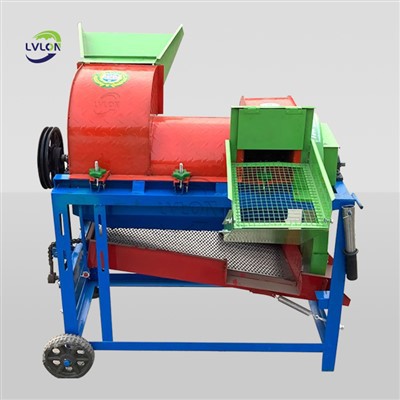
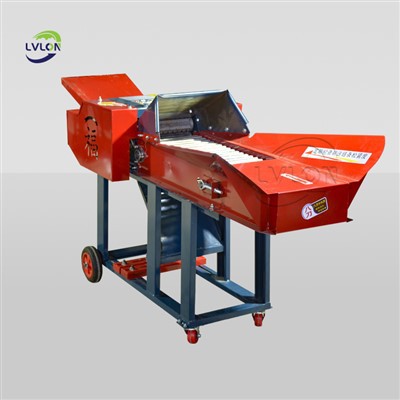
Another key advantage is versatility. A good grain crusher doesn't limit you to just one type of grain-you can use it for corn, wheat, oats, barley, and even straw. I've used my crusher to turn leftover straw from my corn harvest into bedding for my goat pen, and to crush small batches of oats for my personal bird feeders. Wait, let me clarify: you can even find attachments or specialized models for different materials, like a hammer mill straw crusher for processing tough fibrous materials that standard crushers might struggle with. For livestock operations, a lot of people don't realize that a grain crusher can also handle feed additives, mixing small amounts of minerals or supplements right into the crushed grain. That means I don't have to buy pre-mixed feed (which is often more expensive) and can customize each batch for specific animals-like adding extra protein to my pig feed or more fiber to my sheep's diet. If you have multiple uses for grains in your operation, a crusher is a one-stop tool that saves you from buying separate equipment for different tasks.
Cost savings are, of course, a major draw, and a grain crusher pays for itself faster than you might think. Let's break it down: buying pre-crushed feed or pre-ground flour is 20-30% more expensive than buying raw grain and processing it yourself. I used to spend $300 a month on pre-crushed feed for my 20 chickens and 10 cows. After investing in my grain crusher, that same feed now costs me $200 a month-so I made back the cost of the machine in just a few months. Plus, I avoid the cost of lost grain from improper processing: when grains are too coarse, animals waste them; when they're too fine, they blow away or get ruined. A crusher eliminates that waste, so every kernel you buy gets used. For bakeries, grinding your own grain also means you can avoid the markup that comes with store-bought flour, and you can use locally grown grains (which are often cheaper and fresher than store-bought options). If you're running a larger operation, even more savings come from buying grain in bulk-something you can only do affordably if you have the equipment to process it yourself.
Quality control is another big one, especially if you're selling your grain-based products. When you process grain yourself, you know exactly what's going into it-no hidden additives, no preservatives, no low-quality fillers that commercial processors sometimes use. For my bakery, being able to say "we grind our own wheat fresh daily" has been a huge selling point for customers who care about clean ingredients. For livestock farmers, being able to control the quality of the feed means healthier animals, less vet visits, and better quality meat, eggs, or milk to sell. I've seen customers at the local farmers' market choose my bread over the competition's because they can taste the difference in freshly ground grain. That level of quality control is hard to achieve when you're buying pre-processed products, and it's something a grain crusher makes easy.
Let's talk about durability and low maintenance too. I used to have a hand-cranked grinder that broke every year or two, and I'd have to spend money on repairs or replacements. The grain crusher I use is built with heavy-duty parts that are designed to handle daily use, even for large batches. Most models have simple mechanisms-few moving parts, easy to clean, and easy to maintain. I just wipe it down after each use, replace the screen occasionally to adjust particle size, and that's it. There's no complicated machinery to fix, which means less downtime and more reliability. If you're worried about equipment that's hard to keep up with, a grain crusher is a low-fuss investment that works for years.
I also want to mention safety, because that's something I didn't think about much when I was doing manual processing. Manually crushing grains requires a lot of force, and there's a risk of slips, strains, or even cuts if you're using old, poorly maintained tools. A modern grain crusher has safety features like guards around the blades, emergency stop buttons, and stable bases to prevent it from moving during use. It's a much safer option than manual processing, especially if you have employees helping with the work. For small operations, that peace of mind is worth a lot.
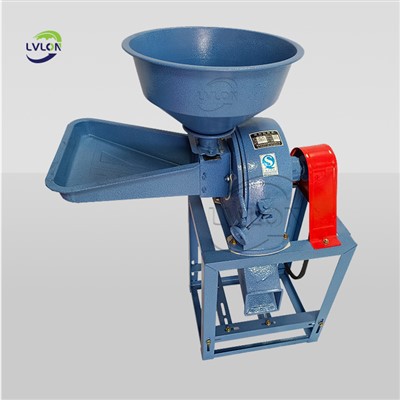
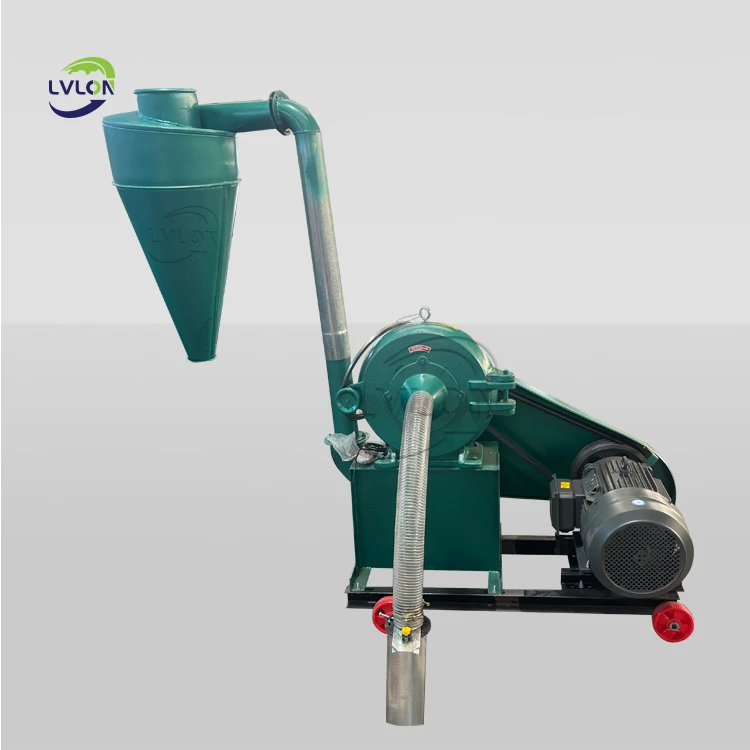
Now, I know there are a lot of options out there, but finding the right grain crusher for your needs is key. If you're a small-scale farmer or home user, a small grain grinder machine might be the perfect fit-it's compact, easy to move, and handles small batches well. For medium to large livestock operations, a livestock feed hammer mill is designed to handle large volumes of feed, with extra power to crush tough grains. If you're working with corn specifically, Claw Type for Super Fine Maize Powder, which is great for both feed and flour. And if you need to process straw or other fibrous materials, a hammer mill straw crusher can handle that without damaging the machine.
At the end of the day, a grain crusher isn't just a piece of equipment-it's an investment in the efficiency, quality, and profitability of your operation. I've seen it change not just my workflow, but my bottom line: I spend less money on feed and flour, waste less grain, and have more time to focus on growing my business. If you're ready to make the switch and see the advantages for yourself, I encourage you to reach out to discuss your specific needs and find the right crusher for your farm, bakery, or operation. Don't hesitate to get in touch to learn more about how a grain crusher can work for you.
References:
- Agricultural Machinery Association. (2022). "Efficiency and Safety of Small-Scale Grain Processing Equipment." Journal of Farm Equipment Technology, 18(2), 45-52.
- National Grains Association. (2021). "Particle Size Consistency in Grain Processing: Impact on Livestock Nutrition." Extension Bulletin 2021-04.
- Small Business Administration. (2023). "Cost-Saving Opportunities in Food Processing for Small Enterprises." Small Business Resource Guide, 11(3), 12-18.
- American Feed Industry Association. (2022). "Custom Feed Processing: Benefits for Small Livestock Operations." Feed Science Review, 29(1), 78-85.
- Occupational Safety and Health Administration. (2021). "Workplace Safety in Manual and Automated Grain Processing." OSHA Agricultural Guidelines, 12th ed.