If you've ever spent time around a tree service crew, a landscaping job site, or even a firewood processing yard, you've probably wondered at some point: how heavy is a wood chipper anyway? I get it-when you're hauling one from job to job, figuring out if it fits on your trailer, or calculating logistics for delivery, that weight isn't just a random number. It's make-or-break for whether your day runs smooth or turns into a roadside headache. As a wood chipper supplier, I field this question at least a dozen times a week, so let's break it down like we're talking shop over a cold beer-no jargon, just real, usable info.
First off, there's no one-size-fits-all answer here. Wood chippers range from tiny, hand-fed models to behemoth machines that chew through whole tree trunks like they're twigs. Their weight is tied straight to what they're built to do, which makes total sense. Let's start with the small stuff because that's what a lot of new buyers get confused about. If you're a homeowner with a half-acre yard who wants to turn fallen branches into mulch, you're looking at a portable, tow-behind model. These are usually called "garden chippers" for a reason-they're light enough to hitch to a small SUV or even a pickup truck that's not a full dually. Most of these tip the scales between 150 and 500 pounds. I've had customers haul one of these from their garage to their driveway no problem, and they're easy enough to lift with two people if you're carrying it a short distance.
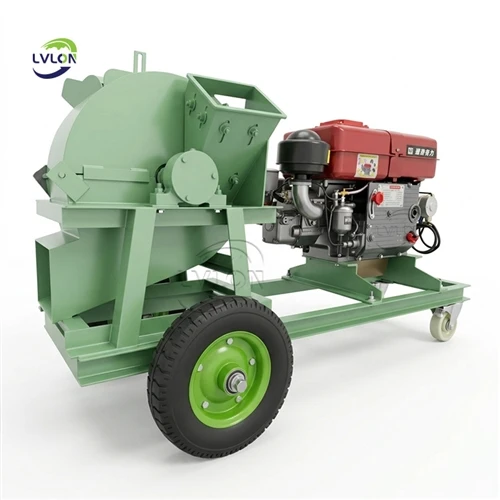
But if you're a small landscaping business doing regular work on multiple properties, you'll need something beefier. That's where the mid-range chippers come in-these are still towable, but they're built to handle thicker branches, up to like 6 inches in diameter, and they run on a bigger gas engine (13 to 25 HP, for reference). Here, the weight jumps up to 1,000 to 2,500 pounds. Suddenly, you can't lift this one, even with a buddy, so you need a proper trailer and a pickup that can handle towing that load. I always tell new landscapers to check their truck's tow rating before buying this size-you don't want to get stuck on a dirt road because your truck can't pull it.
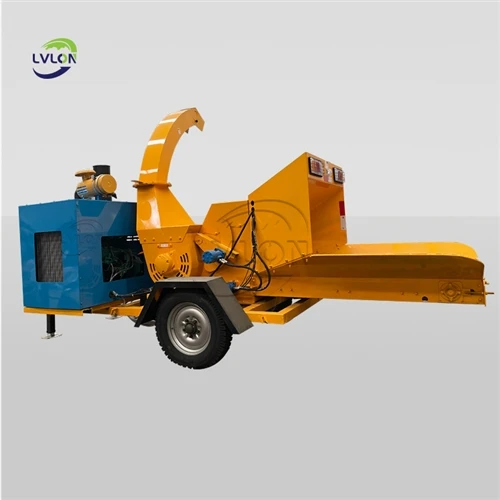
Now, the big dogs-industrial wood chippers, the kind tree service companies use for large-scale storm cleanup or clearing whole wood lots. These aren't towable behind regular pickup trucks; most are mounted on semi-trailers or heavy-duty skids, and they run on diesel engines that put out hundreds of HP. A typical industrial model here weighs between 10,000 and 30,000 pounds. Yeah, that's 15 tons for the top end. This isn't something you move without a flatbed truck and a commercial driver's license, usually. These machines are built to take the abuse of processing whole logs, so their heavy frame is part of what makes them durable-you can't skimp on steel if you want something that lasts 10 years or more.
Wait, but hold on-weight isn't just about size. There's a difference between the operating weight and the shipping weight, too. That's a common mix-up I see all the time. Shipping weight is what you see on the spec sheet, right? That's the machine fully assembled, ready to load onto a trailer, with no fuel or accessories. Operating weight adds in the engine oil, gas or diesel, any tool kits, and sometimes even extra blades you might carry. For a mid-range chipper, that could add 50 to 100 pounds, so it's not a huge difference, but for an industrial model, it might be an extra few hundred pounds. Always ask for the operating weight if you're planning to haul it yourself-getting a trailer that can handle 1,000 pounds less than you actually need is a recipe for trouble.
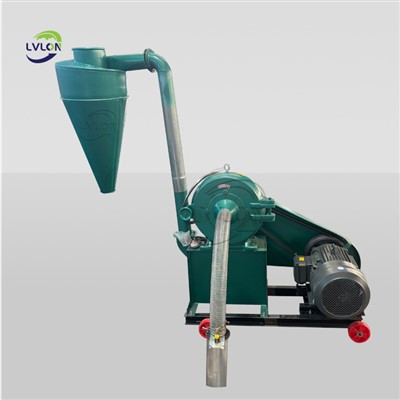
Another thing that affects weight? The type of chipper mechanism. Most wood chippers are either drum chippers or disc chippers, and that plays a big role in how heavy they are. Drum chippers are the ones with a rotating drum inside that has hammers or blades that pull wood in and chop it up. They're usually a bit lighter than disc chippers for the same capacity. Disc chippers use a large, flat metal disc with blades attached that spins really fast, and they're more powerful for really thick wood, so they're heavier. If you're looking for a specific type, like something to turn wood into sawdust for mulch or even animal bedding, a lot of customers check out our commercial sawdust crusher options-these are disc-style models built for finer output, and their weight reflects that extra power. I always tell people, if you're not sure which mechanism you need, our team can walk you through it, no pressure.
Also, don't sleep on attachments. A lot of buyers add things like a self-feeding system (that's the thing that pulls the wood into the chipper so you don't have to push it in by hand), a dust collection system, or a hydraulic lift for dumping mulch into a truck bed. Those can add anywhere from 50 to 500 pounds, depending on what you get. If you're a first-time buyer, start with the base model and add attachments later when you're sure you need them-saves you money upfront and avoids overloading your trailer.
Now, let's talk about why this actually matters, beyond just logistics. If you're a homeowner, you need to make sure the chipper you buy is light enough to move around your yard-you don't want a 1,000-pound machine that you can't get to the back of your property where the branches are. For small businesses, towing capacity is non-negotiable. I once had a guy bring back a mid-range chipper because he tried to pull it with his half-ton Ford F-150, and the truck's rear end was sagging so bad he couldn't drive 10 miles down the road. He had to rent a dually to get it home, which cost more than the difference between buying the next size up and his original model. Oops. For industrial crews, weight is tied to how many trees they can process in a day-heavier, more stable chippers can run longer without vibrating apart, which means less downtime and more jobs done.
Wait, and there's a category I haven't covered yet-wood hammer crusher machines. These are a type of chipper that's designed to turn wood into even finer particles, like sawdust, that you might use for compost or making wood pellets. They're usually in the mid-to-heavy range, around 2,000 to 6,000 pounds, because the hammers inside have to be heavy enough to pulverize wood without wearing out fast. A lot of our customers who make their own mulch or sell sawdust products go for these, and they're a middle ground between garden chippers and full industrial models. If you're into processing wood for resale or for consistent mulch, checking out a wood hammer crusher might be worth your time-we've got a bunch of specs on those on our site, too.


Let's also clear up a common myth: heavier doesn't always mean better. Yeah, industrial models are heavy, but a well-built mid-range chipper from a reputable supplier will last longer than a cheap, heavy no-name model that's made with thin steel. I've seen customers buy a chipper for $1,000 less because it was a bit lighter, but the frame was made of thinner steel, so it cracked after a year of use. That ends up costing way more in repairs than if they'd spent the extra $1,000 on a solid machine. Weight is part of quality, but it's not the only part-build materials, engine size, and mechanism type matter just as much.
Now, if you're shopping around, you'll probably see a bunch of different numbers online, so here's a quick cheat sheet to keep in mind:
- Garden Chipper (homeowner use, 1-4 inch branches): 150-500 lbs
- Towable Landscaper Chipper (small business, 4-8 inch branches): 1,000-2,500 lbs
- Mid-Range Fine Grind Model (for sawdust/mulch, wood hammer crusher or disc style): 2,000-6,000 lbs
- Industrial Chipper (tree service, large logs): 10,000-30,000 lbs
That should give you a ballpark, but always check the manufacturer's specs for exact numbers-don't go by a random forum post, because a lot of people confuse shipping weight with operating weight. For example, some posts say a certain mid-range chipper is 1,800 lbs, but that's shipping weight; add 100 lbs for fuel and tools, and you're at 1,900, which might be over your trailer's capacity.
Another thing I love about our range is that we have options for every budget and use case. If you're just starting out as a landscaper, we've got the towable models that are light enough for most full-size pickups. If you need something to process construction debris like wood from demo jobs, our building template crusher is built to handle that, and it's designed to be stable without being overly heavy so it's easy to move around job sites. And if you're looking to turn all your wood waste into consistent sawdust for whatever project you have, our wood sawdust machine line is tailored for that, with weight specs that match their processing capacity.
Wait, let's be real-this stuff isn't rocket science, but it is something you need to get right. I've seen guys get stuck with a chipper that's too heavy for their truck, or too light to do the jobs they need, and it kills their productivity for months. The good news is, you don't have to figure it out alone. As a supplier, we don't just sell machines-we help you pick the right one for your needs, whether you're a homeowner with a few trees or a big tree service company doing storm cleanup. We can walk you through weight specs, towing requirements, even which attachments will save you time.
At the end of the day, a wood chipper's weight is all about balance. It's heavy enough to be stable, powerful, and durable for the job it's built for, but not so heavy that it's a hassle to move or too expensive to haul. There's no "perfect" weight-only the right weight for what you plan to use it for. If you're still not sure what size or type you need, or you want exact weight specs for any of our machines, reach out and our team will be happy to help. We don't push the biggest, heaviest model just to make a sale-we want you to get a machine that works for you, so you can get the job done and make a profit.
Whether you're a first-time buyer or a seasoned pro, knowing how heavy a wood chipper is (and why that weight matters) will save you time, money, and headaches down the line. Don't just look at the pretty pictures online-dig into the specs, check the operating weight, and make sure it fits your equipment and job needs. And if you need a hand, we're here to guide you through every step. Let's get you set up with the right chipper for your work.
References:
- American Forest & Paper Association. (2022). Mobile Wood Chipper Safety and Specifications Guidelines.
- Portable Equipment Industry Association. (2021). Towing Capacity and Mobile Equipment Weight Standards.
- Construction Machinery Maintenance Journal. (2023). Weight Considerations for Industrial Wood Processing Equipment.
- Occupational Safety and Health Administration (OSHA). (2020). Wood Chipper Operation and Transport Safety Requirements.
- National Landscape Association. (2022). Equipment Selection for Small and Medium Landscaping Businesses.