



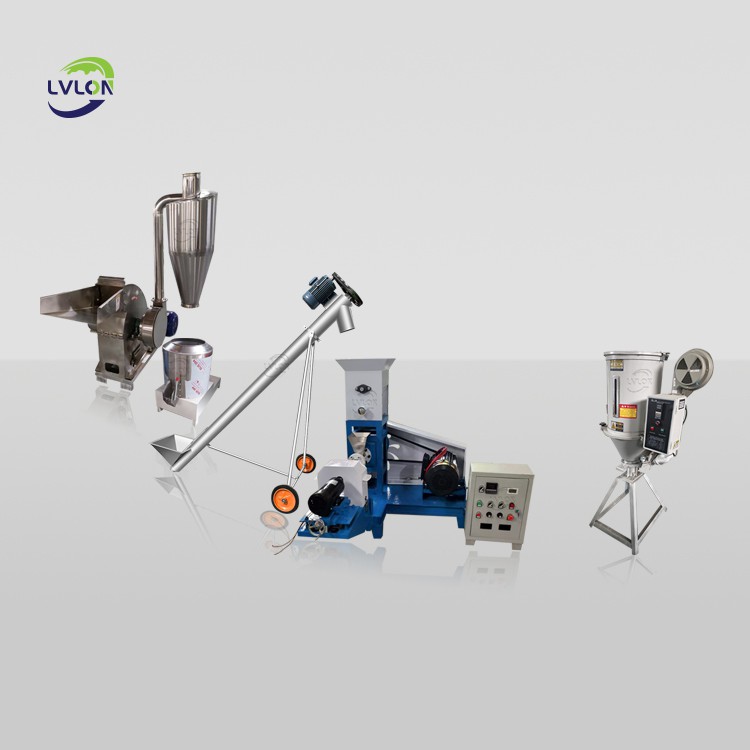

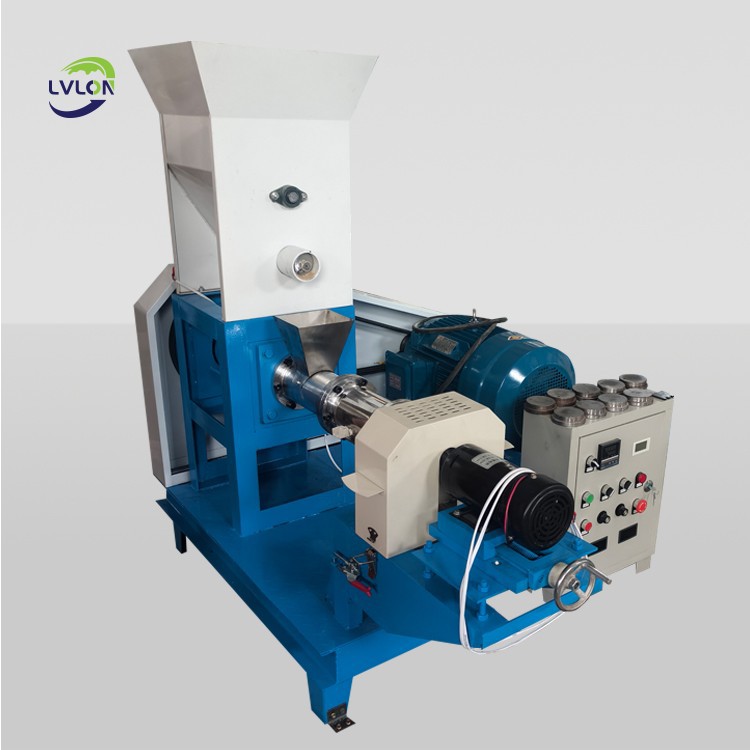
Pet Food Production Line
We're a feed machinery company that handles both equipment manufacturing and export. Over the years, we've done a fair number of pet food production lines – from process design to full project delivery. The thing is, making pet food is completely different from making livestock or poultry feed. Stricter hygiene, more complex recipes, way more shapes. So we've built our solutions around those differences – crushing, mixing, extrusion, drying, coating, cooling, packaging – to match what our customers actually need on capacity and product type.
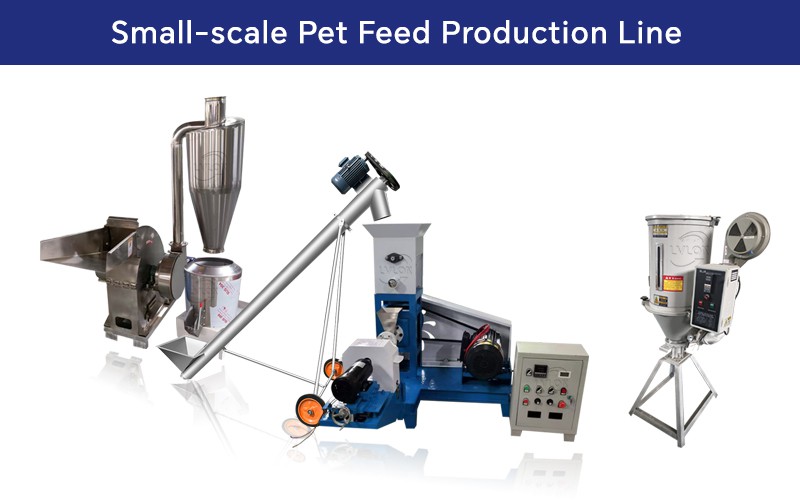
Look at the global picture. The pet food industry is growing steadily, especially in Africa, Latin America, and Southeast Asia. More pets, more middle-class families – that's driving demand for pet food processing equipment. And the clients we talk to – pet food brands, distributors, large buyers – they all have the same headaches: How do we get good palatability and digestibility? How do we switch between bone shapes, rings, fish shapes without losing production time? How do we keep the line truly food‑grade and avoid cross‑contamination with livestock feed lines? Those are exactly the problems we focus on when we design our equipment and processes.
What's different between pet food lines and livestock feed lines?
First, hygiene. Pet food has to meet food‑grade standards. Anything that touches the material – it's food‑grade stainless steel, no shortcuts. Livestock feed? Feed‑grade is fine. Big difference. Second, capacity. A typical livestock line runs 5 to 20 tons per hour. A pet food production line is more about precision – usually 1 to 5 tons per hour. Third, ingredients. Pet feed uses a lot of fresh meat (sometimes over 40% of the recipe), meat meal, grains, vegetables – way more complex than poultry or pig feed. Fourth, shapes. Dry pet food (kibble) can be bone‑shaped, ring‑shaped, fish‑shaped – you name it. That means frequent die changes and high flexibility. And regulations actually say you cannot share equipment between pet food and livestock feed lines – no cross‑contamination allowed.
Core process – extrusion is where it happens
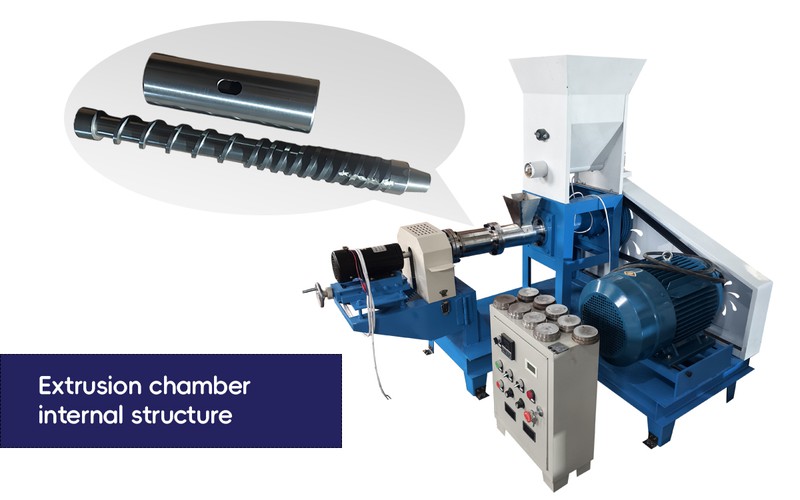
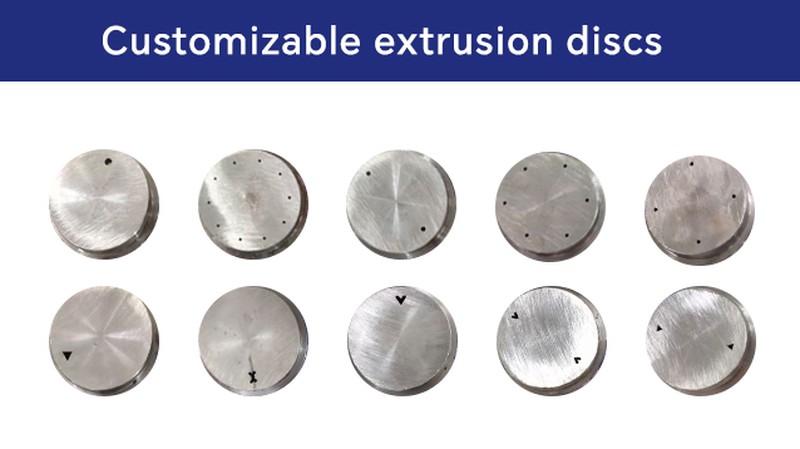
The heart of any pet food making machine line is the extruder. Raw materials go through a hammer mill for pet food first, then a ribbon mixer for pet food blends everything according to the formula. After that, the mix goes into a twin screw extruder for pet food – high temperature, high pressure (above 90°C). That's where starch gelatinizes and the material expands, giving you the right density and shape. This extrusion process doesn't just make the kibble look good – it also boosts palatability and digestibility.
After extrusion, the product goes through a multi‑layer dryer to remove moisture, then a pet food coating system adds fats, oils, and vitamins (you can also add functional nutrients like joint care or digestive aids at this stage). Next, a counterflow cooler brings the temperature down, a screener separates fines, and an automatic pet food production line finishes with a packaging system. The whole line is controlled by PLC automation pet food line – real‑time monitoring of key parameters, consistent quality batch after batch. That's why more customers are going for a turnkey pet food plant or a complete pet food production line instead of piecing things together themselves.
A real example from Southeast Asia
Take a pet food manufacturer we worked with in Southeast Asia. They used to buy most of their base ingredients from outside – that meant limited flexibility on formulas and big swings in supply chain costs. We designed a small scale pet food production line for them – 2 tons per hour, covering everything from crushing, mixing, twin‑screw extrusion, drying, coating, cooling to packaging. Once the line was up, they could produce their own material. Formula flexibility went way up, and they could make floating kibble, sinking kibble, different shapes – all on the same line. Their unit feed cost dropped about 30% compared to the old way. And third‑party labs verified that batch‑to‑batch quality was stable. They've since expanded to three SKUs and are already planning a second phase.

That's the real value of having your own pet food processing plant – you control the recipe and the cost, and you're not at the mercy of suppliers.
Whether you're a pet food distributor looking to expand, a brand wanting your own production, or a large buyer planning a turnkey pet food plant or a pet food manufacturing plant, we can help. We handle everything – process design, equipment manufacturing, installation, commissioning, and after‑sales training.
Hot Tags: pet food production line, China pet food production line suppliers, factory
Previous
Dog Food Production LineYou Might Also Like


Send Inquiry