




Ruminant Feed Production Line
Over the past few years, the global market for animal feed processing equipment has indeed been experiencing growth. Based on some industry data we have reviewed internally, the global market size for feed mill plant is projected to reach approximately $45.3 billion by 2024, and it is expected to grow to $63.66 billion by 2036, with a compound annual growth rate of around 3.85%. In terms of cattle feed pellet mill specifically designed for ruminants, some organizations predict that this segment will see an increase from $2.5 billion to $4.1 billion. To be honest, this growth aligns with the feedback we've received from clients in the Africa animal feed machinery market, Latin America feed mill equipment buyers, and the Southeast Asia feed pellet line sector-all of whom are expanding their operations or preparing to introduce new lines.
That being said, if a feed mill buyer is considering investing in a feed pellet production line, many would initially feel uncertain. After engaging with feed distributor and large buyers extensively, we found that the most troublesome issues for everyone were: equipment malfunctioning frequently, electricity costs outpacing production output, and granules produced varying degrees of fragmentation or hardness. Furthermore, once a fault occurs, the manufacturer's after-sales service lags behind, and it can take several months to replace a mold or bearing. Additionally, there is the question of whether local high fiber feed pellet machine can successfully process corn stalks, rice husks, and sugarcane bagasse into durable pellets. These are all concerns that buyers grapple with before placing an order.
Why is special processing required for ruminant animal feed?
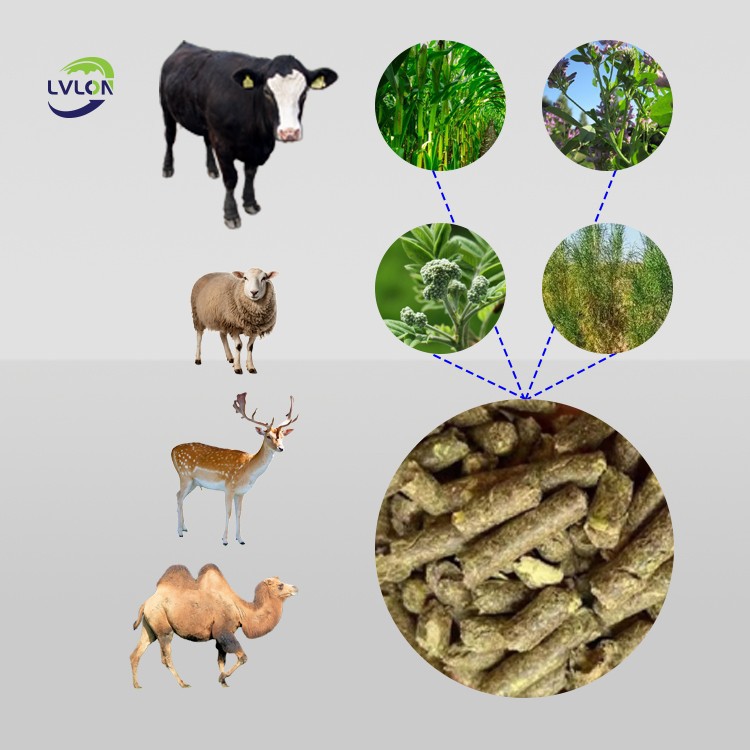
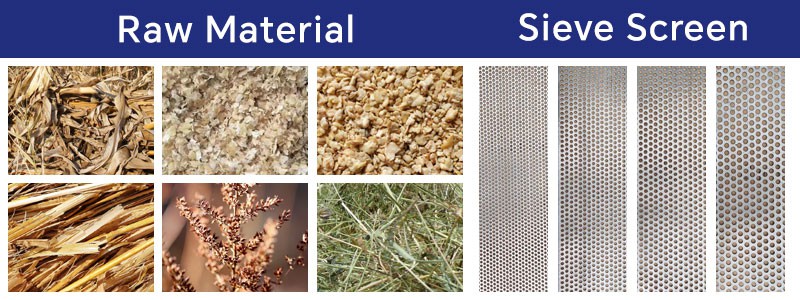
Unlike pig and poultry feed, ruminant animals such as cattle and sheep require coarser particles (screen mesh size of 4-8 mm) and a lower degree of starch gelatinization to maintain the health of their rumen. Our ruminant feed pellet machine is specifically designed for processing high fiber raw materials and is equipped with a forced feeding device and specialized press rollers. It can efficiently process corn straw, wheat bran, soybean meal, straw, and other materials into pellets that are water-resistant, nutritionally balanced, and stable. The conditioning process features precise temperature control (70-90°C) with only moderate softening, preserving the fiber structure and promoting digestion. And with an energy efficient feed pellet mill, you can significantly cut down on electricity costs-one of the biggest pain points we hear from our customers.
Designed to support your business growth.
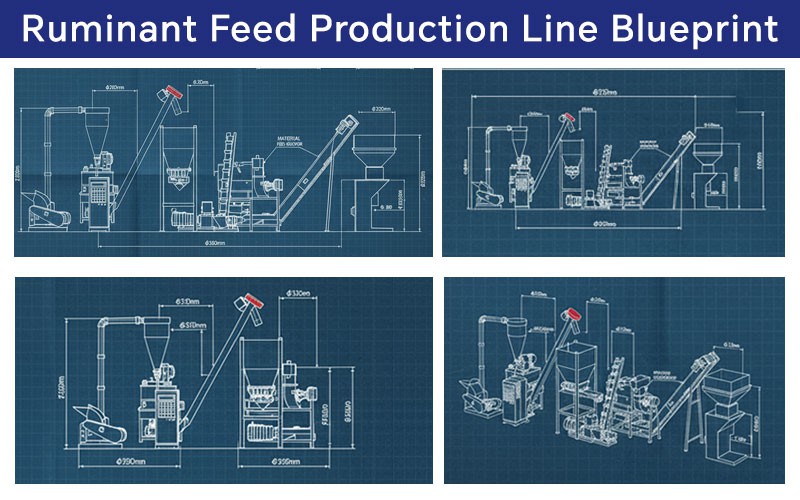
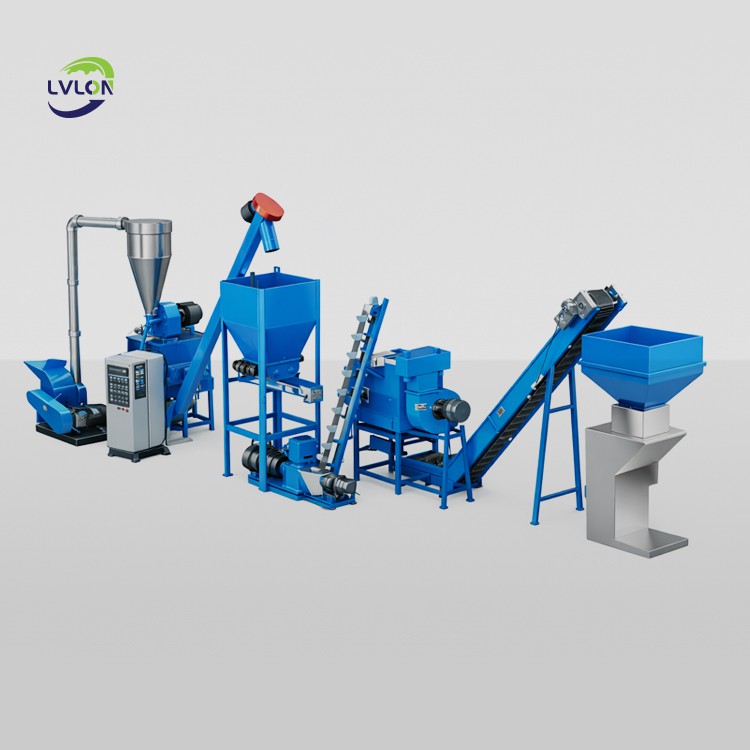
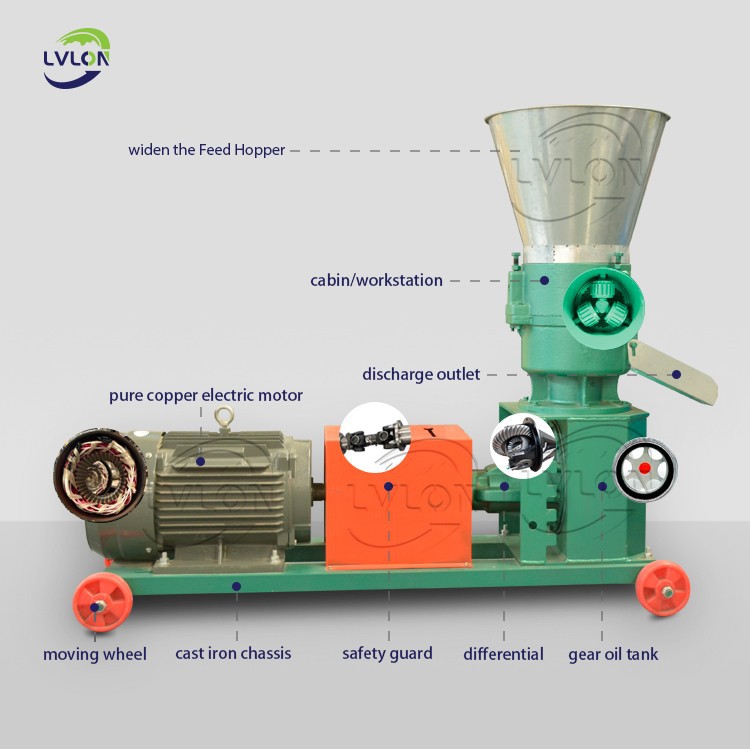
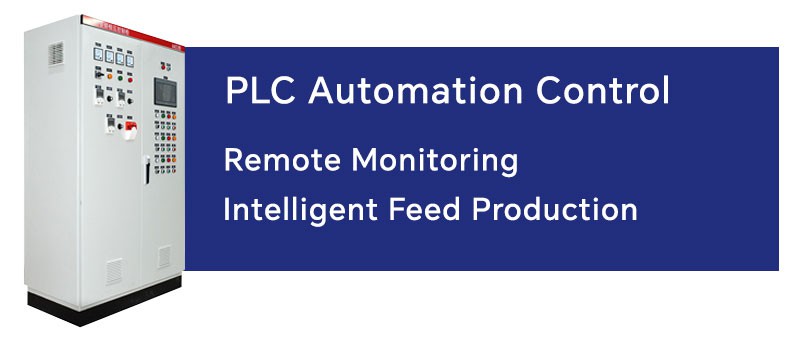
We offer complete feed mill solutions that integrate a hammer mill for feed, a ribbon mixer (or double-shaft paddle mixer), a ring die pellet mill, a counterflow cooler, a vibrating screener, and an automatic feed packaging system. The entire line is controlled by PLC automation feed mill technology, and optional IoT remote monitoring is available to enable intelligent feed manufacturing. Stable pellet quality, lower energy consumption, and reduced downtime-directly addressing the operational pain points that result in lost profits for you.
|
Name |
Parameters |
|
Materials |
Grains, Straw, Forage Grass |
|
Pellet Size |
Diameter: 2.5–8 mm |
|
Pellet Density |
0.6–1.2 tons/m³ |
|
Hourly Output |
800–1500 kg/h |
|
Total Power |
89.16 kW |
|
Footprint |
22 × 5 × 5 meters |
|
Transport |
40HQ |
Whether you are a feed distributor looking to expand your product line, a farm owner seeking to reduce feed costs, or a large purchaser planning a turnkey feed mill project, our ruminant feed pellet mill production line can provide you with reliable, efficient, and locally supported solutions to help you gain a competitive edge in a highly competitive market.
Hot Tags: ruminant feed production line, China ruminant feed production line suppliers, factory
You Might Also Like


Send Inquiry