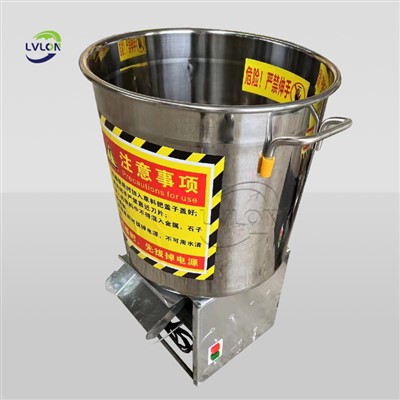
Before delving into the working principle of a maize meal milling machine, it's essential to understand the significance of maize in the global food chain. Maize, also known as corn, is one of the most widely cultivated and consumed grains worldwide. It serves as a staple food in many countries and is used in various industries, including food processing, animal feed production, and biofuel manufacturing. A maize meal milling machine is a crucial piece of equipment that transforms raw maize into fine meal, making it suitable for human consumption and other applications.
The General Structure of a Maize Meal Milling Machine
A typical maize meal milling machine consists of several key components, each playing a specific role in the milling process. These components include a hopper, a cleaning unit, a grinding unit, a sifting unit, and a discharge outlet. The hopper is where the raw maize is loaded into the machine. It acts as a storage container and ensures a steady supply of maize to the subsequent processing units.
The cleaning unit is responsible for removing impurities such as dirt, stones, and chaff from the maize. This is an important step as impurities can affect the quality of the final product and cause damage to the grinding unit. The cleaning process usually involves a combination of sieving, aspiration, and magnetic separation.
The grinding unit is the heart of the maize meal milling machine. It is where the maize kernels are broken down into smaller particles. There are different types of grinding mechanisms used in maize meal milling machines, including hammer mills and roller mills. Each type has its own advantages and is suitable for different applications.
The sifting unit separates the ground maize into different particle sizes. This ensures that the final product meets the desired quality standards. The sifting process is typically carried out using a series of sieves with different mesh sizes.
The discharge outlet is where the finished maize meal is collected. It can be connected to a storage container or a packaging machine for further processing.
Working Principle of Different Grinding Mechanisms
Hammer Mill
A Hammer Mill Feed Grinder operates on the principle of impact and shearing. Inside the hammer mill, there is a rotor with a series of hammers attached to it. As the rotor spins at high speed, the hammers strike the maize kernels, breaking them into smaller pieces. The impact force generated by the hammers is strong enough to crack the hard outer shell of the maize and reduce the kernel to a fine powder.
The size of the particles produced by a hammer mill can be controlled by adjusting the speed of the rotor, the size of the hammers, and the screen size at the bottom of the mill. A smaller screen size will result in finer particles, while a larger screen size will produce coarser meal.
One of the advantages of a hammer mill is its high efficiency and versatility. It can handle a wide range of materials, including maize, wheat, barley, and sorghum. It is also relatively easy to operate and maintain.
Roller Mill
A Roller Mill for Corn works on the principle of compression and shearing. It consists of two or more rollers that rotate at different speeds. The maize kernels are fed between the rollers, and as they pass through the gap, they are compressed and sheared, resulting in the breakdown of the kernels into smaller particles.
The advantage of a roller mill is that it can produce a more uniform particle size compared to a hammer mill. It is also more energy-efficient and can be adjusted to produce different levels of fineness. However, roller mills are generally more expensive than hammer mills and require more maintenance.
The Complete Milling Process
Once the maize is loaded into the hopper, it first enters the cleaning unit. Here, the impurities are removed, ensuring that only clean maize kernels proceed to the next stage. The cleaned maize then enters the grinding unit, where it is broken down into smaller particles using either a hammer mill or a roller mill, as described above.
After grinding, the meal is transferred to the sifting unit. The sifting unit separates the meal into different particle sizes, with the finer particles passing through the sieves and the coarser particles being returned to the grinding unit for further processing. This process ensures that the final product has a consistent quality and meets the desired specifications.
The final stage is the collection of the finished maize meal at the discharge outlet. The meal can be further processed, such as being packaged into bags or containers, or it can be used directly in the production of various food products.
Importance of Maize Meal Milling Machines
Maize meal milling machines play a vital role in the food industry. They enable the efficient processing of maize into meal, which is a staple food in many parts of the world. By providing a consistent and high-quality product, these machines contribute to food security and nutrition.
In addition to the food industry, maize meal milling machines are also used in the animal feed industry. Maize meal is a valuable ingredient in animal feed, providing essential nutrients and energy for livestock. The ability to produce high-quality maize meal efficiently is crucial for the animal feed industry to meet the growing demand for animal products.
Other Related Maize Milling Equipment
Apart from the traditional maize meal milling machines, there are also other related equipment that can be used in the maize milling process. For example, a Hammer Mill Corn is specifically designed for grinding corn. It can provide a high grinding efficiency and is suitable for small to medium-sized maize milling operations.
A Small Grain Grinder Machine is another option for those who need to grind small quantities of maize or other grains. It is portable and easy to operate, making it ideal for home use or small-scale businesses.
Conclusion
In conclusion, the working principle of a Maize Meal Milling Machine involves a series of processes, from cleaning the raw maize to grinding it into fine meal and sifting it to achieve the desired particle size. Different grinding mechanisms, such as hammer mills and roller mills, offer unique advantages and can be selected based on specific requirements.

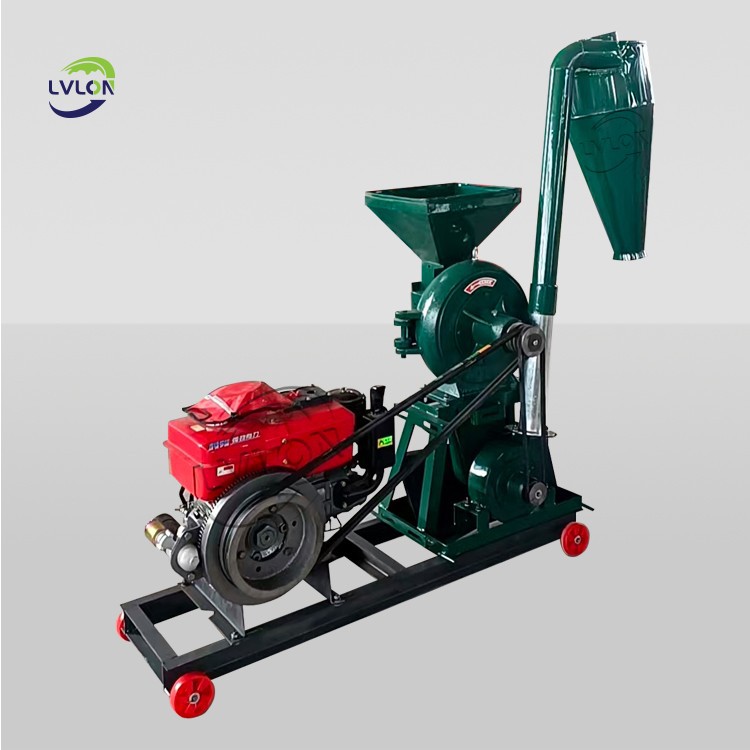
If you are in the market for a maize meal milling machine or related equipment, I encourage you to reach out to us for a detailed discussion. Our team of experts can provide you with the information and guidance you need to make an informed decision. We are committed to providing high-quality products and excellent customer service. Let's work together to meet your maize milling needs.
References
- "Handbook of Maize Processing and Utilization." Eds. John N. Delgado, et al. Wiley-Blackwell, 2012.
- "Grain Processing Technology." By Yueguang Yang. Springer, 2018.