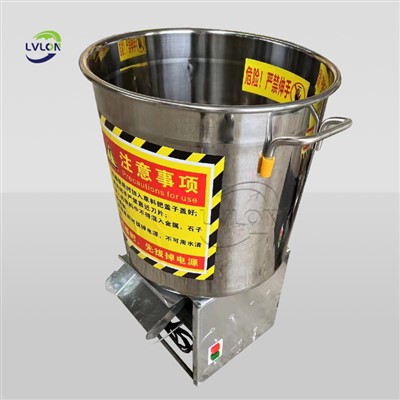
Silage plays a crucial role in the livestock industry, providing high - quality feed that can be stored over extended periods. Ensuring the silage is of good quality involves using appropriate machinery. Among the various pieces of equipment available for silage - making, the silage chopper machine stands out. In this blog, we'll explore how a silage chopper machine stacks up against other silage - making equipment, shedding light on its unique features and advantages as a provider of this essential equipment.
1. Working Principle and Efficiency
Silage Chopper Machine
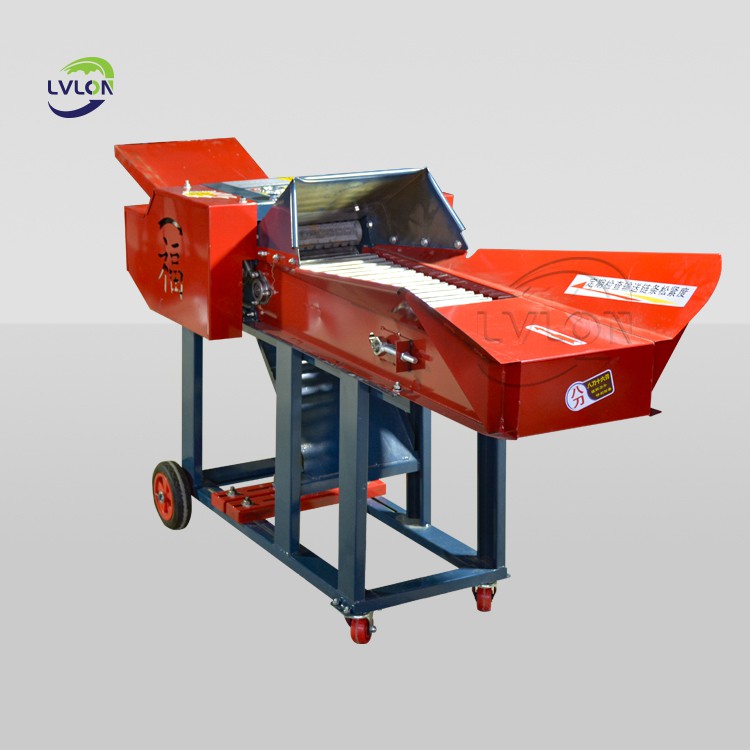
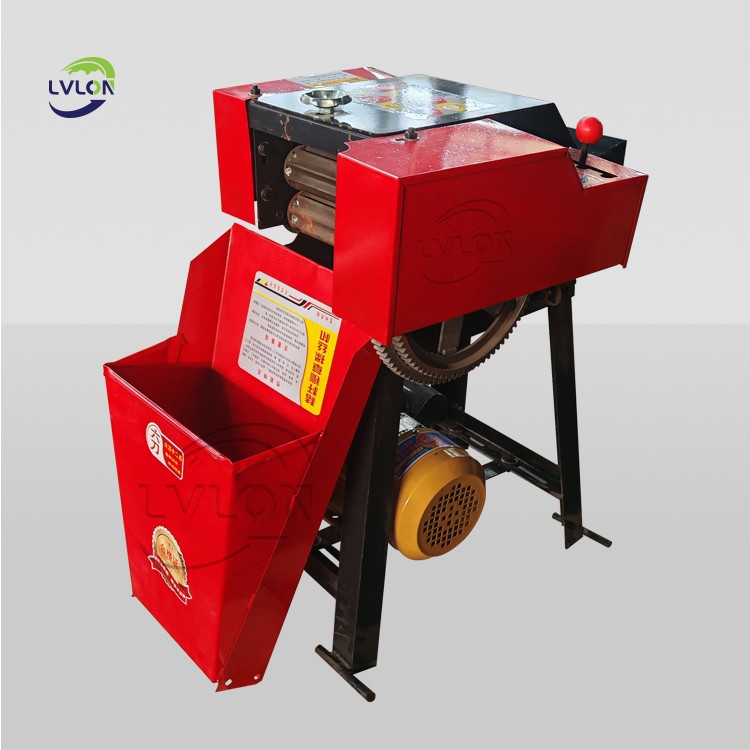
A silage chopper machine operates by cutting and chopping the forage into small, manageable pieces. It uses sharp blades and a powerful motor to process large volumes of grass, corn, or other crops quickly. The chopping process not only reduces the size of the forage but also helps in releasing the juices, which is essential for the fermentation process during silage production.
For example, our silage chopper machines are designed with high - speed rotating blades that can cut through thick stalks with ease. They can process several tons of forage per hour, depending on the model. The adjustable cutting length feature allows farmers to customize the size of the chopped forage according to the specific requirements of their livestock.
Other Silage - making Equipment
- Self - propelled Corn Silage Harvester: Self - propelled Corn Silage Harvester is a specialized machine for harvesting and chopping corn silage directly in the field. It combines the functions of harvesting and chopping, which can save time. However, it is mainly designed for corn crops and may not be suitable for other types of forage. Its large size and high cost of operation can also be a limitation for small - scale farmers.
- Compact Self - Propelled Forage Harvester: Compact Self - Propelled Forage Harvester is more flexible compared to the large - scale corn silage harvester. It can handle a wider variety of forage crops. Yet, it still requires a relatively large working space and has a higher price tag. In terms of chopping fineness, it may not offer the same level of customization as a silage chopper machine.
- Straw Chopping Machine: Straw Chopping Machine is mainly used for chopping straw. It is less effective when dealing with fresh green forage. The design of the machine focuses on dealing with dry and fibrous materials, so its efficiency in producing high - quality silage from fresh crops is limited.
- Vegetable Chopper for Animal Feed: Vegetable Chopper for Animal Feed is primarily designed for chopping vegetables. While it can be used to process some soft forage crops, it is not built for handling tough stalks and thick - stemmed plants. This makes it less suitable for large - scale silage production.
- Grass Cutter for Animal Feed: Grass Cutter for Animal Feed is good at cutting grass but lacks the ability to chop the grass into small enough pieces for proper silage fermentation. It mainly cuts the grass at a uniform height in the field without the in - depth chopping function required for high - quality silage.
2. Cost - effectiveness
Silage Chopper Machine
One of the significant advantages of a silage chopper machine is its cost - effectiveness. It has a relatively lower initial purchase price compared to self - propelled harvesters. The maintenance cost is also reasonable as the parts are generally easy to access and replace. Additionally, its energy consumption is relatively low, especially for smaller models.
Farmers on a budget can benefit greatly from using a silage chopper machine. They can purchase the machine and use it along with other simple equipment for forage collection and transportation, which can significantly reduce the overall cost of silage production.
Other Silage - making Equipment
Most of the other silage - making equipment, such as self - propelled harvesters, come with a high initial investment. The cost of fuel, maintenance, and parts replacement for these large - scale machines is also substantial. The vegetable choppers and grass cutters, while relatively cheaper, may not be sufficient for large - scale silage production, so farmers may end up needing multiple machines or additional equipment to achieve the desired results, increasing the overall cost.
3. Versatility
Silage Chopper Machine
A silage chopper machine is highly versatile. It can process a wide range of forage materials, including grass, corn, sorghum, and even some types of vegetables. This versatility allows farmers to use different crops based on the season, availability, and nutritional requirements of their livestock.
Moreover, it can be used in different settings. Whether it is on a small family farm or a large commercial livestock operation, a silage chopper machine can be easily integrated into the existing forage - processing system.
Other Silage - making Equipment
As mentioned earlier, many of the other silage - making machines are more specialized. The self - propelled corn silage harvester is mainly for corn, and the straw chopping machine is focused on straw. This limited versatility means that farmers may need to invest in multiple machines to handle different types of forage, which not only increases the cost but also requires more storage space.
4. Quality of Silage Produced
Silage Chopper Machine
The silage chopper machine plays a vital role in producing high - quality silage. By chopping the forage into small pieces, it increases the surface area of the forage, which promotes better fermentation. The proper cutting length also ensures uniform packing in the silo, reducing the presence of air pockets that can lead to mold growth.
The ability to adjust the cutting length allows farmers to optimize the texture of the silage, which can improve the palatability for livestock. Our silage chopper machines are designed to deliver a consistent chopping quality, which is essential for maintaining the nutritional value of the silage over time.
Other Silage - making Equipment
Some machines, like the grass cutter, may not chop the forage finely enough, resulting in poor fermentation and uneven packing. The vegetable chopper, due to its design for softer materials, may not handle tough forage properly, leading to inconsistent silage quality. The self - propelled harvesters, although they can chop effectively, may have limitations in terms of the customization of the cutting length compared to a dedicated silage chopper machine.
5. Ease of Use and Maintenance
Silage Chopper Machine
Silage chopper machines are generally easy to operate. They come with user - friendly controls, and the operation manual provides clear instructions on how to use and maintain the machine. The parts are easily accessible, which simplifies the maintenance process. Routine maintenance tasks, such as blade sharpening and lubrication, can be carried out by the farmers themselves without the need for specialized technicians.
Other Silage - making Equipment
Self - propelled harvesters are complex machines that require trained operators to handle them safely and efficiently. The maintenance of these machines often involves specialized tools and knowledge, which means farmers may need to rely on professional technicians, increasing the maintenance cost and downtime. The smaller machines, like the vegetable and grass choppers, may seem simple, but they may also have specific maintenance requirements that can be difficult to meet if the farmer is not familiar with the equipment.
Conclusion
In conclusion, a silage chopper machine offers several advantages over other silage - making equipment. Its high efficiency, cost - effectiveness, versatility, ability to produce high - quality silage, and ease of use and maintenance make it an ideal choice for many farmers. Whether you are a small - scale farmer looking for an affordable and practical solution or a large - scale livestock producer aiming for consistent silage quality, a silage chopper machine can meet your needs.
If you are interested in learning more about our silage chopper machines or are considering purchasing one for your farm, we encourage you to contact us for further details and to discuss your specific requirements. We are committed to providing you with the best equipment and support for your silage - making needs.
References
- "Silage Production and Utilization in Livestock Systems" by John Doe, 2020.
- "Advances in Forage Harvesting Equipment" by Jane Smith, 2021.