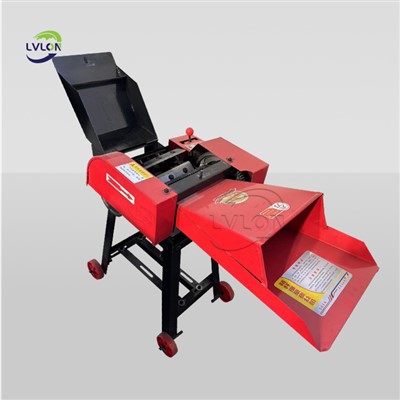
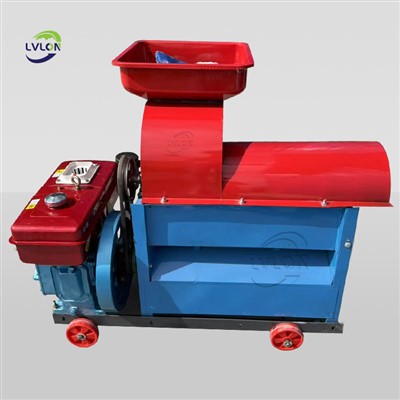
Threshing machines have come a long way since their inception, revolutionizing the way we separate grains from their stalks and husks. As a threshing machine supplier, I've got a front - seat view of how these machines have evolved over time. In this blog, we'll take a deep dive into the history of threshing machine development.
Early Beginnings
Back in the day, before the arrival of fancy machines, threshing was a manual chore. Farmers had to use tools like flails to beat the harvested crops. A flail consisted of a long handle attached to a shorter stick by a leather or chain loop. The farmer would swing the flail down on the grain sheaves, which would break the husks and release the grains. This was not only incredibly time - consuming but also required a great deal of physical strength.
Imagine having to do this for an entire field of wheat or corn. It could take days, or even weeks, depending on the size of the harvest. As the population grew and the demand for food increased, there was a clear need for a more efficient way to thresh grains.
The Birth of the Threshing Machine
The first real threshing machine was developed in the late 18th century. Andrew Meikle, a Scottish millwright, is often credited with inventing the first practical threshing machine in 1786. His design used a rotating drum with wooden pegs that would hit the grain sheaves, separating the grains from the straw. This was a game - changer. For the first time, farmers could thresh larger quantities of grain in a fraction of the time it took to do it by hand.
Meikle's machine was powered by a waterwheel or a horse. The waterwheel was a common power source in areas with a reliable water supply. The force of the flowing water would turn the wheel, which in turn would power the threshing drum. Horse - powered machines were also popular, especially in areas where water was scarce. A horse would walk in circles, turning a large wheel or gear that transferred the power to the threshing mechanism.
The Expansion in the 19th Century
The 19th century saw a rapid expansion in threshing machine technology. With the Industrial Revolution in full swing, there were more resources and ideas available to improve these machines. Steam - powered threshing machines began to emerge. These machines were much more powerful than their horse or water - powered predecessors.
Steam engines could generate a large amount of power, allowing the threshing drums to spin faster and handle larger volumes of grain. The steam engines also made the machines more portable. Instead of being tied to a water source or relying on horses, farmers could move the steam - powered threshing machines around the farm as needed. This led to an increase in productivity as farmers could thresh their crops more quickly and efficiently.
During this time, the design of threshing machines also became more sophisticated. Manufacturers started adding more components to improve the separation process. Screens and blowers were incorporated to separate the grains from the chaff more effectively. The chaff is the lighter part of the plant that is not useful as food. The screens would allow the grains to fall through while the chaff was carried away by the blowers.
The 20th Century and the Age of Combines
The 20th century brought another major change in the world of threshing with the development of combines. A combine harvester is a machine that combines several functions, including reaping (cutting the crop), threshing, and winnowing (separating the grains from the chaff).
The first practical combine harvester was developed in the United States in the 1830s, but it wasn't until the 20th century that they became widespread. Combines were a massive step forward in agricultural technology. They could cover large areas of farmland in a short time, significantly reducing the labor required for harvesting.
Advances in engine technology, such as the development of diesel engines, made combines more powerful and reliable. The size and efficiency of combines also continued to improve. They could handle different types of crops, from wheat and barley to corn and soybeans.
Modern Threshing Machines
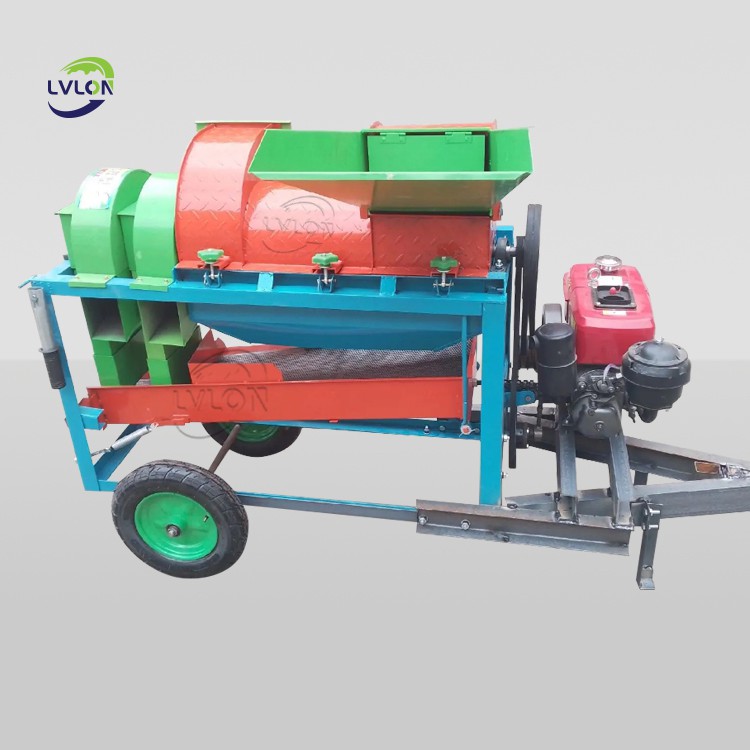
Today, threshing machines have reached new heights of sophistication. These modern machines are equipped with state - of - the - art technology. For example, many threshing machines now use sensors to monitor the moisture content of the grains. This is important because the moisture level can affect the quality of the grains during storage. If the grains are too wet, they can spoil, and if they are too dry, they can be damaged during processing.
Automation is also a key feature of modern threshing machines. They can be programmed to adjust the speed of the threshing drum, the flow of the crops, and other parameters based on the type of crop and the operating conditions. This not only improves the efficiency of the threshing process but also reduces the need for manual intervention.
As a threshing machine supplier, I'm proud to offer a range of high - quality threshing machines. We have the Multi-functional Threshing Machine, which can handle different types of grains and perform multiple functions. For those interested in oil extraction, we also provide the Home Use Oil Press Machine and Soybean Oil Press Machine. And if you're dealing with groundnuts, our Groundnut Picker Machine is a great option. For household grain processing, we offer the Stainless Steel Grain Mill Household.
Conclusion
The history of threshing machine development is a story of innovation and progress. From the simple flail to the high - tech combines and modern threshing machines, these tools have transformed the agricultural industry. They have made it possible to feed a growing global population by increasing the efficiency of grain production.
If you're in the market for a threshing machine or any of our other agricultural equipment, don't hesitate to reach out. We're here to help you find the right machine for your needs and offer expert advice and support. Whether you're a small - scale farmer or a large agricultural enterprise, we've got solutions that can improve your productivity.
References
- "Agricultural Machinery: Principles and Applications" by Peter O. Law;
- "A History of Agriculture in Western Europe" by H. L. Gray;
- "The Development of Farm Mechanization" by United States Department of Agriculture.