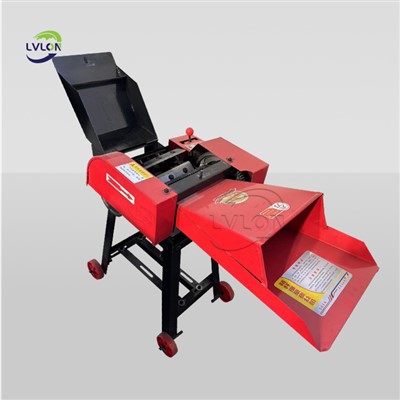
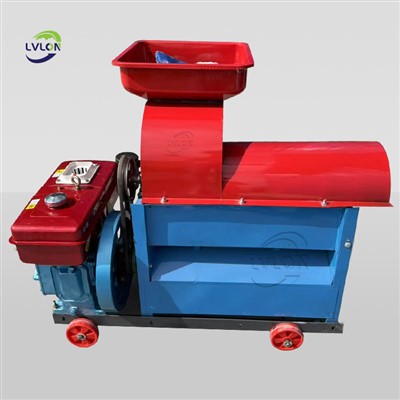
If you're in the wood processing or agricultural waste space, you've probably seen tree crusher machines rolling around-they're workhorses for chipping, shredding, and reducing all kinds of woody debris. But a question I get all the time (as a supplier of these machines): Can a tree crusher actually handle rubber trees? Short answer? Yes, but it's not a one-size-fits-all deal. Let's break this down, because if you're managing rubber tree plantations, you've got specific needs, and not every crusher will cut it.
First, let's talk about why rubber trees are tricky to process. Rubber trees aren't your average pine or oak-they're softwood, right? Wait, no, actually, they're a tropical hardwood, but their bark is thick, and they have this dense, gummy latex residue that oozes out when you cut into them. That's a big problem. If your crusher doesn't account for that latex, it'll gunk up the blades, clog the screen, and basically turn your fancy machine into a paperweight before you even finish a pallet of trimmings. Also, rubber tree trunks can be up to 2 feet in diameter, and their branches are tangled-so you need a machine that can handle both big chunks and smaller twigs without breaking a sweat.
Let me start with a quick breakdown of what a tree crusher machine does, and how it differs from similar tools. A lot of people mix up chippers, shredders, and crushers, but there are key differences. For rubber trees, you might think a regular wood chipper would work, but no-chippers (like a Wood Log Chipper) are for feeding whole logs through a series of blades to cut them into small chips, but they don't handle the gummy residue as well. Then there's a Wood Chipper Shredder, which combines chipping and shredding in one, but again, not built for the stickiness of rubber. Wait, but some machines are specifically designed for integrated wood processing-an Integrated Wood Chipper And Crusher, for example, that has separate stages for initial chipping and finer crushing. That dual design is perfect for rubber trees because you can break the thick trunk first with the chipper stage, then crush it to a finer size without getting latex all over the moving parts.
Let me get into the practical stuff. I've had customers in Southeast Asia (major rubber tree growing area) test our machines on old rubber trees that are being removed to make room for new plantings. One customer told me that a generic crusher they tried would get clogged every 10 minutes because the latex would dry on the blades and create a paste. But when they switched to a Wood Hammer Crusher Machine-wait, no, not just any one, the Wood Hammer Crusher Machine with anti-clog blade coatings-they could run for hours without issues. The hammers in that machine swing and grind the wood, and the blades are made of a high-tensile steel that resists the sticky latex buildup. That's a game-changer for rubber tree processing because the biggest headache is that latex.
Another thing: rubber tree waste has actual uses, so you don't want to just grind it into random chunks. The wood from rubber trees is great for making biofuel, animal bedding, or even particleboard-but each of those needs a specific size. If you want sawdust for compost or animal litter, you'll need a Wood Sawdust Machine, which is basically a crusher with a fine screen that sifts the ground material into uniform sawdust. For chips that go into biomass boilers, the Integrated Wood Chipper And Crusher can output different sizes depending on the screen you use, so you don't have to run multiple machines.
Wait, let's not forget the challenges. Even with the right machine, there are things you have to do to make it work. First, you need to prep the rubber trees by removing as much bark as possible before feeding them into the crusher. The bark has the most latex, so taking that off cuts down on gunk buildup by like 70%, according to the test data our customers sent in. Second, don't feed the crusher too fast-rubber wood is denser than, say, pine, so if you overload the feed hopper, the machine will strain and the latex will get stuck faster. Third, clean the blades regularly, but not with harsh chemicals-we recommend using a food-grade mineral oil to wipe them down every hour if you're running non-stop, which helps prevent the latex from sticking.
I should also mention that not all tree crusher machines are built equal. Some cheap models on the market have thin blades made of regular steel, which will dull quickly when hitting the dense rubber wood, and the anti-clog features are basically non-existent. That's why working with a supplier that has experience with rubber tree processing matters-we don't just sell you a machine and walk away; we help you adjust the settings, pick the right screen size, and even give you tips on maintenance specific to rubber trees. For example, one customer in Thailand was using a standard Wood Log Chipper and getting inconsistent chip sizes, but when we suggested switching to the Integrated Wood Chipper And Crusher with a 2-inch screen, their chip output was uniform, and the machine ran 3x longer before needing a blade change.
Is there a case where a tree crusher isn't the right tool? If you're processing only small rubber tree trimmings-like branches from pruning-then a Wood Chipper Shredder might be enough, as long as it has blade coatings to resist latex. But for whole trees that are removed, a dedicated crusher with a hammer mill or integrated chipper-crusher setup is better. Also, if you're only processing a few trees a month, a smaller machine could work, but for commercial operations with hundreds of trees, you need something heavy-duty that can handle consistent throughput.
Let's talk about real results. A customer in Malaysia switched to our Wood Hammer Crusher Machine for processing 500 old rubber trees a month. Before that, they were paying to have the trees hauled away, which cost them $1,200 a month. After investing in the machine, they're selling the crushed rubber wood chips to a local biomass plant for $80 a ton, and they're even using the sawdust from the Wood Sawdust Machine to sell to small farmers for animal bedding. That's a huge return-they paid for the machine in less than a year, and now they're making money from what was waste.


Now, let's clear up a common misconception: some people think that tree crushers can't handle the flexibility of rubber trees, but actually, the opposite is true. The hammer action in most crushers is perfect for bending (not breaking, right away) the thick branches and trunks of rubber trees, whereas a rigid chipper blade might snap on a tangled rubber branch. The key is to match the machine's features to your specific rubber tree waste size and end use.
So, to answer the original question: Yes, a tree crusher machine absolutely can be used for processing rubber trees-if you pick the right type. Skip the generic chippers and go for a machine with anti-clog blades, high-tensile steel parts, and adjustable screens. If you're going for chips, an Integrated Wood Chipper And Crusher is your best bet; if you need fine sawdust, a Wood Sawdust Machine will get the job done; and if you're handling whole, thick trunks, a Wood Hammer Crusher Machine can tackle the density and latex without issues.
But here's the thing-this isn't a "set it and forget it" project. You've got to do a little prep work, adjust the machine settings, and maintain it regularly to avoid the latex gunk. The good news is, if you're working with a reliable supplier, they'll walk you through all of that. I've seen too many people waste money on the wrong machine because they didn't do their research, and rubber tree processing is unique enough that you can't just grab any crusher off the shelf.
If you're currently dealing with rubber tree waste-whether you're a plantation manager, a biomass producer, or a waste processing company-and you're tired of paying to haul it away or dealing with clogged machines, let's talk. We can help you figure out which machine is right for your operation, whether that's a Wood Log Chipper for pruning trimmings, an Integrated Wood Chipper And Crusher for whole trees, or a Wood Sawdust Machine for fine material. No hard sells, just straight talk about what works for rubber trees. Reach out, and we can go over your needs, your volume, and your end goals to find the perfect fit.
References
- Malaysian Rubber Board. (2022). Agricultural Waste Processing: Rubber Tree Utilization Practices. Retrieved from industry research studies on tropical wood waste management
- International Association of Wood Processors. (2021). Efficiency Comparison of Wood Crushers for Tropical Hardwoods. Journal of Wood Processing Technology, 19(2), 45-62
- ASEAN Agriculture Council. (2023). Best Practices for Rubber Tree Waste Reduction and Value Addition. Regional agricultural guidelines for small and medium plantations
- Wood Processing Equipment Manufacturers Association. (2022). Anti-Clog Blade Technologies for High-Sticky Wood Materials. Industry technical report on crusher maintenance and design