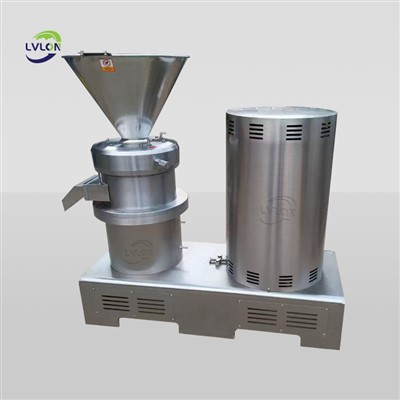
If you've ever walked through a small farm, a grain cooperative, or a family-run oil press operation, you know how big of a difference a good threshing machine makes. A decade ago, my team and I were just a small group of mechanics trying to fix old, clunky threshing gear for local farmers-back then, most folks were still threshing by hand, spending weeks just separating grain from stalks. Now, we're a supplier that works with operations all over, and the biggest question we get from new customers is: "What even are the types of threshing machines out there right now?" No two operations are the same, right? A small hobby farm might only need something that fits in their garage, while a mid-sized oilseed cooperative needs gear that can churn out thousands of pounds a day without breaking. I'm gonna break down the main types, what they're for, and which might make sense for your setup-plus, link up the exact stuff we carry if you wanna check it out.


First off, let's start with the basics: what threshing even is, for anyone who's not deep in farming or processing. Threshing is that step after harvesting, where you separate the edible part of a crop from the rest of the plant-think wheat kernels from straw, peanuts from their shells, sesame seeds from their pods. Before machines, this was done with flails or even trampling crops by animals, which was backbreaking work and super slow. Modern threshing machines cut that time down by like 90%, and different types are built for totally different crops, sizes of operations, and even power sources.
Let's jump into the most common category first: grain threshing machines. These are for big staples like wheat, corn, rice, barley, and obviously peanuts-wait, peanuts are a super popular crop for threshing, right? A lot of folks don't realize that peanut processing is a whole separate niche. For small operations or hobby farmers, the electric groundnut shelling machine is a total workhorse. We sell this one to folks with 1-5 acres of peanuts, like small family farms or even urban homesteads that sell to local farmers' markets. It runs on standard house electricity, so no need for a big generator or a separate power setup, and it's lightweight enough to move around the farm easily. It doesn't produce a ton of waste, either-just clean peanuts, no broken shells mixed in, which is perfect for folks who sell their crop directly. For bigger peanut operations, the automatic peanut shelling machine is the next step up. This one's built for medium to large farms, can handle like 1,000+ pounds of peanuts per hour, and has sensors that prevent clogging (which is the #1 headache with peanut threshing machines, trust me). I've had customers say this cut their processing time from 3 days to 2 hours. It's fully automated, too-you just load the peanuts in, and it shells, separates the kernels from shells, and even sorts by size if you want. That's a big one for operations that sell to wholesalers, since sorted peanuts go for way more.
Wait, grain threshing isn't just for peanuts, obviously. There's also machines for wheat, rice, and corn. A lot of farmers mix up threshing with combining, but combining is the whole process of harvesting, threshing, and winnowing all in one big machine-those are the huge tractors you see in movies. The smaller, standalone grain threshers are for farmers who already have their own harvesting equipment, or who process crops separately. For example, if you're a rice farmer in a hot, dry area, a small portable thresher that runs on gas might be better than electric, since power can be spotty in rural areas. The portable ones are also great for remote farms, since you can hook them up to a tractor PTO (power take-off) instead of electricity.
Now, let's get into oilseed threshing and processing, since that's another big part of what we do. A lot of folks use threshing machines not just to get the seed, but then turn those seeds into oil, right? So oilseed processing has its own line of machines. First, once you've threshed and shelled your oilseeds (like sesame, sunflower, canola, peanuts), you need to prep them for pressing into oil. That's where the oil seeds roasting machine comes in. Roasting seeds before pressing makes the oil taste way better, and also helps extract more oil-so you get more yield, which is huge for commercial operations. This machine roasts evenly, no burnt spots, and has temperature controls so you can adjust for different seeds: peanut needs a higher temp than sesame, for example. We have models that work for small home users all the way up to big commercial presses.
Then there's the actual oil extraction part, which is closely tied to threshing. If you're a home cook or a small homesteader who wants to press your own oil, the home use oil press machine is perfect. It's small, runs on electricity, and can process peanuts, sunflower, sesame, even small nuts like almonds. You just load the shelled seeds in, and it crushes them into oil in like 10 minutes. No messy filters needed for the basic model, and you get pure, unrefined oil. For commercial operations-think small oil shops that sell to local grocery stores, or mid-sized farms that process oil for sale-the commercial oil expeller machine is the way to go. This one can process hundreds of pounds of seeds per hour, is made of stainless steel (so it's durable and easy to clean, which is a must for food processing), and has pressure controls to make sure you get maximum oil without damaging the seeds. I've had a customer in a small town use this to process sunflower and canola oil for their community, and they now supply 5 local grocery stores-they said it paid for itself in 6 months.
Wait, there are also specialty threshing machines for crops that don't fit into those categories. For example, coffee cherries need threshing to separate the bean from the fruit, but that's a totally different process than peanuts. Or cotton, which is threshed to separate cotton bolls from the seeds. Most small farms don't mess with cotton or coffee, but if you do, there are specialized machines built for those specific crops. They're way more precise than generic threshers, because if you break the bean or crush the cotton fiber, it's ruined. That's a big thing-don't use a peanut sheller for coffee, trust me. I had a customer once try that and ended up ruining $2,000 worth of coffee cherries, so I learned that lesson fast.
Now, let's talk about how to pick the right one, because not all machines are created equal. First, think about your operation size. If you're processing less than 500 pounds of crop a month, go small-electric, home-use models are fine. If you're doing 5,000+ pounds, you need something commercial. Second, power availability. If you're in a rural area with no consistent electricity, portable PTO or gas-powered machines are better than electric. Third, crop type. Peanuts need a sheller, wheat needs a grain thresher, oilseeds need roasting and pressing machines. Don't force a machine to do a job it wasn't built for-we see that mistake all the time. Fourth, budget. Small home models are a few hundred bucks, commercial ones can be $10,000+, so you need to calculate ROI. If you're selling your crop or oil, how much extra will you make by using a machine instead of doing it by hand? For most people, it's worth it, but do the math first.
A lot of new customers ask us if they should buy used vs new. Used machines are cheaper, but we've seen so many folks get stuck with broken ones that are impossible to fix, or don't have replacement parts. The parts for threshing machines are specific, so if you buy a used one that's 10 years old, you might not be able to find a part when it breaks. We offer warranty on all our new machines, and our team can fix them anywhere, so that's a big plus. Also, we do training-most small machine operators don't know how to adjust the settings for different crops, so we send a quick guide or even a video call to walk them through it. That's a huge help, because even the best machine is useless if you don't know how to use it right.
Wait, let's circle back to the main types to make sure I covered them all. First, standalone grain threshers for staples like wheat, corn, rice-portable and fixed, gas and electric. Then, specialty grain threshers for specific crops: peanut shellers (electric and automatic), coffee threshers, cotton decorticators. Then, oilseed processing machines, which are closely linked to threshing: roasting machines, home oil presses, commercial oil expellers. There are also multi-function machines now, which do threshing and winnowing (separating chaff from grain) in one step-those are great for small farms that don't want to buy multiple separate machines. We even have a portable multi-function thresher that can handle wheat, rice, and small grains, which is super popular with folks who grow multiple crops.
I've been doing this for years, and the #1 thing I tell customers is that there's no "best" threshing machine-only the right one for your needs. A hobby farmer in Iowa needs a totally different machine than a commercial oil producer in Gujarat, right? That's why we work with each customer one-on-one, not just push a random product. If you're tired of spending hours threshing by hand, dealing with broken grain, or losing money from low processing yields, reach out. We can walk you through what size, power, and type of machine will work for your crops, your budget, and your space. Whether you need a small electric peanut sheller for your backyard farm or a commercial oil expeller for your processing plant, we've got you covered. No pressure, just honest advice, because we've been there-we started small, too, and we know how frustrating it is when gear doesn't work for you.
At the end of the day, threshing machines aren't just tools-they're what let small farmers and producers compete in a world that's getting bigger by the day. A good machine doesn't just save time; it lets you process more, sell more, and keep up with demand without burning out. If you're ready to stop hand-threshing and upgrade, hit us up to chat through your needs.
References
- United States Department of Agriculture. (2022). Small-Scale Farm Machinery Guide: Threshing and Processing. USDA Agricultural Marketing Service.
- Food and Agriculture Organization of the United Nations. (2021). Oilseed Processing for Small-Scale Producers: A Technical Handbook. FAO Agricultural and Development Economics Division.
- National Agricultural Statistics Service. (2023). Farm Machinery Usage Trends in the United States. USDA NSS.
- International Organization for Standardization. (2020). Safety Standards for Agricultural Threshing Machines. ISO 18412:2020.