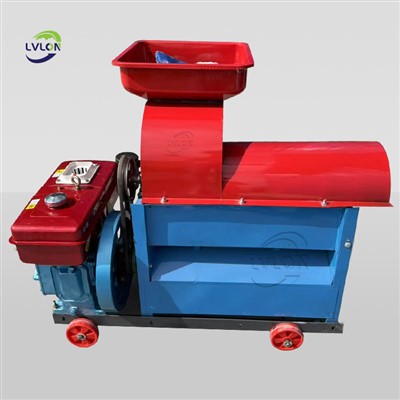
As a supplier of agricultural equipment, I've spent countless hours talking with small-scale farmers and large farm operations about the small headaches that come with daily equipment use. If you rely on a straw chopping machine for processing crop residues into animal feed, mulch, or biofuel, you know how disruptive unexpected downtime can be-especially during planting or harvesting season. Over the years, I've seen machines jam mid-cycle, produce unevenly chopped straw, or fail to start at all, and the good news is that most of these issues are solvable with simple troubleshooting steps, no need to call a technician right away. Let's walk through the most common faults, how to spot them, and how to fix them, so you can get your machine back up and running fast.
First, I always start with the basics when troubleshooting any piece of equipment, and straw choppers are no exception. Many issues come down to something as simple as improper setup or maintenance before a run. Let's begin with the fault that plagues new and experienced users alike: frequent jamming. A jammed machine not only halts work but can also cause damage if you try to force it to run, so addressing this first is critical.
Jamming usually happens for a few key reasons, and most are preventable. The first culprit is oversized or unprocessed feed material. If you're feeding straw that's too long, has tangled stems, or includes foreign objects like rocks, wire, or leftover crop roots, it will catch on the cutting blades or get stuck in the feed chute. I once had a customer who complained his new machine was jamming every 10 minutes-turns out he was feeding full length wheat straw without trimming it first. The fix here is simple: always pre-process large straw bales, either by untying them and breaking them apart by hand or using a smaller tool to cut straw into sections of 12 to 18 inches before feeding. It's also non-negotiable to inspect every batch of feed for debris. Even a small piece of wire can bend a blade or clog the chamber, so take 2 minutes before each run to sift through the straw.
Another common cause of jamming is incorrect feeding technique. I've seen farmers dump too much straw into the feed chute at once, overwhelming the cutting blades and forcing the machine to work beyond its capacity. Most standard straw chopping machines have a maximum feed rate, and exceeding that is the fastest way to cause a jam. The rule of thumb here is to feed straw in small, even batches, letting the machine process each batch fully before adding more. This also applies to the density of the straw-if you're feeding very dry, fluffy straw, don't overfill the chute. For wet or heavy straw, you may need to slow down the feed rate even more. If your machine does jam, never reach into the feed chute while it's running. Always turn off the power, unplug the machine (if electric) or turn off the engine (if diesel or gas), and wait for all moving parts to stop completely before clearing the jam. Use a wooden stick or plastic tool to dislodge stuck material-metal tools can scratch the chamber or damage blades.
Next, let's talk about unevenly chopped straw. If you're noticing some pieces are too long (over 2 inches) and others are pulpy or shredded, that's a sign of a problem with either the blades, the spacing of the cutting components, or the feed mechanism. First, check the cutting blades. Over time, blades can become dull from hitting debris, or bent if the machine was jammed previously. Dull blades will tear instead of cut straw, leading to uneven lengths and extra strain on the motor or engine. To test blade sharpness, you can do a simple "paper test": take a piece of printer paper and slide it between the blade and the cutting plate (the stationary metal part opposite the blade). If the blade tears the paper instead of cutting it cleanly, it's time to sharpen or replace the blades. Most suppliers, including our team, sell replacement blades for the Straw Chopping Machine, designed to fit perfectly and maintain consistent cutting performance.
Uneven cutting can also be from misaligned blades. If one blade is bent or the bolts holding the blades in place are loose, the blade will not move at the correct distance from the cutting plate, leading to inconsistent chop length. To fix this, turn off and unplug the machine, remove the blade cover, and inspect each blade. Tighten any loose bolts, and if a blade is bent, it's best to replace it-bending a blade back can weaken it and lead to breakage later. Another factor is the cutting plate or the grate at the bottom of the chopping chamber. Over time, the holes in the grate can become clogged with small straw particles or wear down, allowing longer pieces to pass through. Remove the grate and clean it thoroughly, and if the holes are worn or misshapen, replace it to restore even chop.
If your straw chopping machine won't start at all, that's another common issue that can range from simple to more complex. For electric models, the first thing to check is the power source. Is the machine plugged in securely? Have you checked the circuit breaker or fuse-farm equipment often trips breakers if the motor is overloaded, especially after clearing a jam. For gas or diesel models, check the fuel level first-this sounds obvious, but many farmers don't realize they ran the tank empty between uses. Next, check the spark plug for gas models: if it's dirty, corroded, or coated in carbon, it won't spark to ignite the fuel. Remove the spark plug, wipe it clean with a rag, and gap it to the manufacturer's specifications (usually around 0.020 inches) before reinserting it.
If the machine turns over but won't run, it could be a problem with the air filter. A clogged air filter restricts airflow to the engine, making it hard to start and run efficiently. Check the air filter and clean or replace it if it's covered in dust and straw debris. For electric models, another common culprit is a worn motor brush. Over time, the carbon brushes that transfer electricity to the motor wear down, reducing power or stopping the motor entirely. If you've checked the power supply and the motor is making a humming noise but not turning, the brushes may need replacement. Our team can help guide you through replacing motor brushes if you're unsure, or offer service support.
Another fault I often hear about is excessive noise or vibration during operation. A small amount of vibration is normal, but if the machine is shaking so much it moves across the floor or makes a loud grinding noise, that's a sign of an issue. The most common cause is unbalanced blades. If one blade is dull, bent, or has more wear than the others, the chopping chamber becomes unbalanced, leading to vibration. Check each blade as we discussed earlier, and replace or sharpen any that are not in good condition. Vibration can also come from loose parts-inspect all bolts and fasteners on the machine, especially the blade mounts, the feed chute, and the motor/engine mounts. Tighten any loose bolts and make sure the machine is sitting on a level surface, as uneven placement can also cause excessive movement.


Now, let's talk about some related equipment that works alongside straw chopping machines, because troubleshooting isn't always about the chopper itself. Many farmers use other tools to process forage, and if these are not working correctly, it can put extra strain on the straw chopper. For example, if you're using a Corn Silage Chopper to harvest silage before processing it with the straw chopper, leaving unprocessed cobs or stalks can cause jams in the straw chopper. Similarly, a Grass Cutter for Animal Feed that produces overly long grass mixed with straw can lead to uneven cutting. If you're combining multiple machines in your operation, regular checks on each piece will reduce downtime across the board. For larger operations that need to harvest and process forage in one pass, a Single Row Silage Harvester can streamline the process and reduce the amount of debris that ends up in your straw chopper, minimizing jams and maintenance.
Preventive maintenance is the best way to avoid most faults in the first place, and this is something I emphasize to every customer when they purchase a straw chopping machine. A 10-minute routine check before each use can save hours of troubleshooting later. Before every run, inspect blades for dullness or damage, remove debris from the feed chute and chamber, check that all bolts are tight, and confirm the power or fuel supply is working correctly. At the end of each day, clean the machine thoroughly to remove straw particles that can harden and cause clogs overnight, and store it in a dry, covered area to prevent rust and component damage. For long-term maintenance, schedule a deep clean and blade sharpening every 50 hours of use, or after each harvesting season. Replace worn grates, belts, and filters on a regular basis-waiting until a part breaks can lead to more serious damage to the machine.
I also always advise customers to follow the operator manual that comes with their straw chopping machine, as every model has specific specifications for feed rates, blade sizes, and maintenance intervals. While the steps I've outlined here apply to most standard models, there may be small differences depending on your machine's make and year. If you run through these troubleshooting steps and still can't fix the issue, our team is here to help. We've spent years supporting farmers with our Straw Chopping Machine and related forage processing equipment, so whether you have questions about a jam, uneven cutting, or any other issue, we can provide guidance, replacement parts, or service support. We also offer resources for choosing the right complementary equipment, like the Vegetable Chopper for Animal Feed for processing additional feed materials, ensuring your entire operation runs smoothly.
Farm equipment downtime is a frustrating setback, but most faults are easy to resolve with a little knowledge and regular care. By taking the time to inspect your machine before use, feeding material correctly, and addressing small issues before they become big problems, you can keep your straw chopping machine running reliably for years. If you have questions about troubleshooting, maintenance, or upgrading your forage processing setup, don't hesitate to reach out for support. We're dedicated to helping farmers get the most out of their equipment, so you can focus on what matters most-your work and your harvest.
References
Agricultural Equipment Manufacturers Association. (2022). Troubleshooting Common Forage Processing Equipment Faults.
US Department of Agriculture. (2021). Small Farm Guide to Straw Management and Equipment Maintenance.
International Society of Precision Agriculture. (2020). Preventive Maintenance Strategies for Field Equipment.