

Small flat die feed pellet machines come in a wide price range-from just one to two thousand yuan up to tens of thThe price of small flat die feed pellet machines ranges from one or two thousand yuan to tens of thousands of yuan, with a huge difference. This is by no means merely a brand premium, but a comprehensive difference ranging from core components to manufacturing concepts. Only by understanding these differences can we avoid the situation of "buying cheap but using expensive".
The following is a breakdown of the core reasons for the huge price differences:
1. Materials and Craftsmanship of the Core "Three Major Components" (The core of Cost Differences)
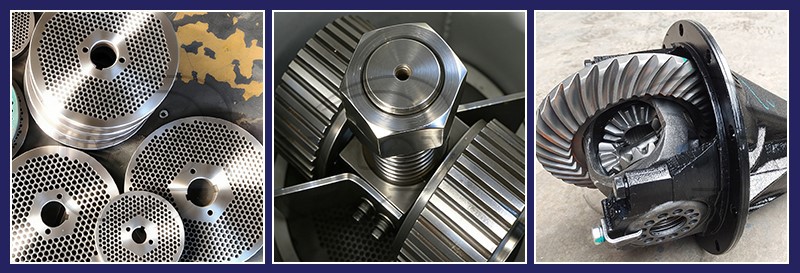
1. Flat die (mold)
Low-cost machines: Made of common carbon steel (such as 45# steel) or low alloy steel, with only simple quenching or no heat treatment on the surface. It works fine at the beginning of use, but it will soon wear out, resulting in difficult discharge, loose particles and a sharp drop in output. The lifespan might only be a few dozen tons.
High-priced machines: Made of high-alloy wear-resistant steel (such as 20CrMnTi, superior alloy steel), and undergo strict heat treatment processes including carburizing, quenching and tempering. It has a high surface hardness (above HRC60), good inner toughness and is extremely wear-resistant. The service life can reach hundreds or even thousands of tons, and the discharge is always smooth and uniform.
2. Press roller
Low-cost machine: The pressure roller housing is made of ordinary steel, or even just cast iron. The internal bearings use cheap and low-standard products.
High-priced machine: The housing of the pressure roller is made of wear-resistant alloy steel that matches the flat die and has also undergone heat treatment. The interior uses high-capacity bearings of well-known brands (such as Renben, Havalo, etc.), which have good sealing performance and are less likely to be damaged by powder ingestion.
3. Main shaft and gearbox
Low-priced machines: The main shaft may use ordinary steel that has not undergone quenching and tempering treatment, which has low strength and is prone to deformation.Gear box shell is thin, gear material is poor, low precision, noise, easy to heat, short life.
High price machine: the main shaft is made of high quality alloy steel (such as 40Cr), which has strong rigidity after quenching and tempering treatment. The gearbox is thick and heavy. The gears are made of materials such as 20CrMnTi and undergo carburizing and quenching, with high grinding accuracy. The transmission is smooth, efficient and durable.
2. Structural Design and Manufacturing Process
1. Overall structural stiffness
Low-cost machine: To save materials, the steel plates of the frame and cavity are thin, and the welding at the connection points is simple.When pressing hard material or working for a long time, the fuselage jitter and resonance are serious, which not only affects the quality of particles, but also accelerates the damage of parts.
High price machine: solid material, thick steel plate, structure through mechanical optimization, solid welding. The whole machine operates smoothly with low noise and vibration.
2. Key design details
Adjustment mechanism: The adjustment method of the gap between the pressure roller and the flat die. Low-priced machines may have rough adjustment and be difficult to lock, resulting in changes in the gap. High-priced machines feature precise adjustment, with scales or self-locking of worm gears and worms, ensuring stability and reliability.
Lubrication system: Low-priced machines may be lubricated with manual grease, while high-priced ones may be equipped with centralized lubrication or more reliable sealed bearing housings.
Feeding system: Low-priced machines may just have a simple screw conveyor, while high-priced ones will be designed with a forced feeder to ensure uniform feeding, prevent clogging, and increase output and quality.
3. Power and Configuration
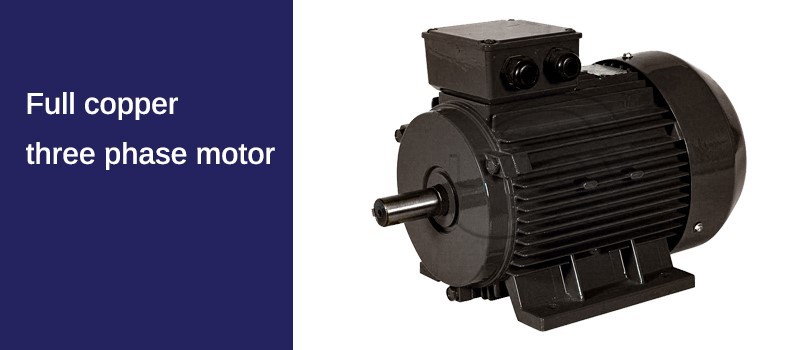
1. Motor
Low-priced machines: Often equipped with ordinary three-phase asynchronous motors or even aluminum core motors, they have low energy efficiency, are prone to overheating, and the power may be falsely marked.
High-priced machines: They are equipped with standard national standard copper wire motors. Some even use high-efficiency energy-saving motors or well-known brand motors, which have sufficient power, save electricity and work stably for a long time.
2. Electrical control
Low-cost machine: It uses the simplest circuit breaker and contactor, with a simple circuit and no protection.
High-priced machines: Equipped with electrical components of regular brands (such as Chint and Delixi), they have overload and phase loss protection circuits, ensuring safety and reliability.
4. Production Standards and After-sales Service
1. Production Standards and Quality Inspection
Low-priced machines: Produced in workshop-style factories, without strict quality inspection procedures, assembly relies on experience, and quality control is unstable.
High-priced machines: Produced by regular manufacturers, with drawings, processes and quality inspection procedures, standardized components and high assembly accuracy.
2. After-sales service and accessories
Low-priced machines: Basically no after-sales service, or only extremely limited guidance.
High-priced machines: Produced by regular manufacturers, with drawings, processes and quality inspection procedures, standardized components and high assembly accuracy.The quality of the accessories is not guaranteed and they need to be replaced frequently.
High-priced models: We offer a clear warranty period (such as 1 year for the main unit), technical guidance, and a stable supply of high-quality original factory parts.The long-term usage cost is actually lower.


